
Why Can't I Switch Off at Night? Understanding Racing Thoughts at Bedtime
It's 11pm. You're exhausted after a long day, and all you want is a good night's sleep.
You climb into bed, turn off the light, and settle down.
Then it starts.
Your mind begins replaying an awkward conversation from years ago. Tomorrow's to-do list suddenly feels urgent. You start thinking about work, money, family, your health, and a dozen "what if" scenarios. Before you know it, you're wide awake, staring at the ceiling and wondering, "Why can't I stop thinking at night?"
Many people experience racing thoughts at night, leaving them feeling tired but wired. The more they try to fall asleep, the more awake they become.
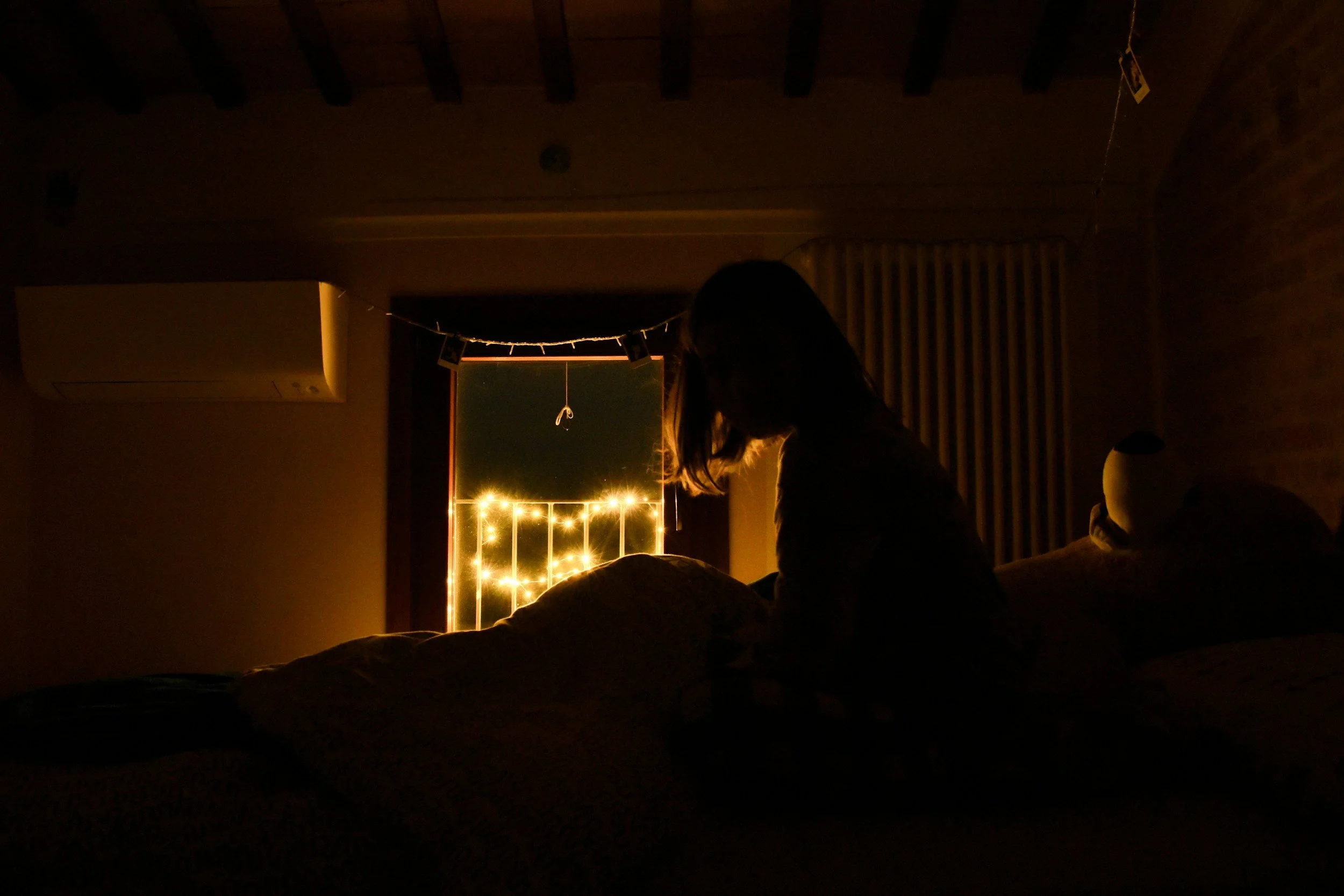
The good news is that there's a physiological reason this happens, and there are practical ways to calm your mind and improve your sleep. Hypnotherapy can also help retrain the patterns that keep your brain switched on when it should be winding down.
Why Does This Happen Specifically at Night?
One of the biggest reasons people experience a mind that won't quiet down at night is that daytime provides constant distraction.
During the day, your attention is occupied by work, conversations, responsibilities, notifications, errands, and endless streams of information. Your brain is busy processing external stimuli, leaving less room for internal reflection.
At night, everything changes.
The emails stop. The conversations end. The screens are switched off. The house becomes quiet.
But your brain doesn't suddenly stop being active.
Instead, all the thoughts, worries, and emotions that were pushed into the background during the day now have centre stage.
For many people, bedtime is the first truly still moment they have experienced all day. As a result, unresolved stress often catches up with them.
Stress hormones such as cortisol and adrenaline can remain elevated long after a stressful event has passed. If the nervous system hasn't fully settled during the day, those feelings of tension can resurface when you're finally lying quietly in bed.
This is one reason anxiety can feel worse at night. Without distractions, your brain naturally turns inward, scanning for problems to solve or threats to anticipate.
You may also find it helpful to read our article on anxiety becoming worse in the evening, as the same mechanisms often contribute to racing thoughts at bedtime.
The Vicious Cycle of Trying to Sleep
One of the most frustrating aspects of sleep difficulties is that the harder you try to sleep, the more difficult it becomes.

Sleep is not something we can force.
In fact, trying to sleep requires effort, and effort activates the very mental processes that keep us awake.
Many people begin clock-watching:
"If I fall asleep now, I'll get six hours."
"Now it's only five hours."
"Tomorrow is going to be awful."
These thoughts create pressure. Pressure creates anxiety. Anxiety activates the nervous system.
And an activated nervous system makes sleep even less likely.
Over time, this can develop into what is often called sleep anxiety.
After a few bad nights, people start worrying about sleep itself. They become anxious about being tired the next day, which creates even more tension at bedtime.
The result is a cycle that can feel impossible to break.
Why Willpower and "Just Relax" Don't Work
If you've ever been told to "just relax," you'll know how unhelpful that advice can feel.
The truth is that racing thoughts are not simply a thinking problem.
They are often a nervous system problem.
When your brain perceives stress or threat, it shifts into a more alert state. This response happens automatically and largely outside conscious control.
You cannot simply reason your way out of it.
Good sleep hygiene can absolutely help. Limiting caffeine, reducing screen time before bed, and maintaining a regular sleep schedule are all valuable habits.
However, these strategies don't always address what happens when you're already lying awake with your thoughts racing.
This is where approaches that work directly with the nervous system, such as hypnotherapy, can be particularly helpful.
How Hypnotherapy Helps Quiet a Racing Mind at Night
Many people are curious about hypnotherapy for racing thoughts but aren't entirely sure how it works.
In simple terms, hypnotherapy guides you into a deeply relaxed and focused state. During this state, the conscious, analytical mind becomes quieter, allowing the subconscious mind to become more receptive to positive suggestions and change.
This can help in several ways.
Calming the Nervous System
When we're stressed, the sympathetic nervous system activates the body's fight-or-flight response.
Hypnotherapy helps activate the parasympathetic nervous system instead — often referred to as the "rest and digest" system.
This encourages slower breathing, reduced muscle tension, and a greater sense of calm.
Breaking the Bedtime Thinking Habit
For some people, bedtime has become associated with worrying, planning, and overthinking.
The brain learns that bed is where thinking happens.
Hypnotherapy can help interrupt this learned pattern and create a new association between bedtime and relaxation.
Addressing the Root Cause
Rather than focusing solely on sleep itself, hypnotherapy can help address the underlying anxiety, stress, or habitual thought patterns that are driving the racing mind.
As these patterns change, sleep often improves naturally.
Many clients also benefit from listening to guided relaxation or self-hypnosis recordings between sessions, helping reinforce a calmer bedtime routine.
If you'd like to learn more, you may also find our articles on Can Hypnosis Help Sleep Problems? and Hypnotherapy for Insomnia useful.
Practical Tips to Try Tonight
While lasting change often takes practice, there are several things you can do tonight to help calm a busy mind.
1. Do a Brain Dump
Before bed, spend five minutes writing down anything that's on your mind.
To-do lists, worries, reminders, and unfinished tasks can all be transferred onto paper.
This signals to your brain that it doesn't need to keep holding onto them.
2. Lengthen Your Exhale
Try breathing in gently for four counts and out for six counts.
A longer exhale helps activate the body's relaxation response and sends a message of safety to the nervous system.
3. Get Out of Bed if You're Wide Awake
If you've been lying awake for around 20 minutes, consider getting up and doing something calm in dim lighting.
This can help prevent your brain from associating the bed with frustration and struggle.
4. Focus on Your Body Rather Than Your Thoughts
Bring your attention to physical sensations.
Notice where your body makes contact with the mattress. Slowly scan from head to toe, releasing tension as you go.
A hypnotherapist can guide you through deeper versions of this process, but even a few minutes of body awareness can help shift attention away from racing thoughts.
You Don't Have to Fight Your Mind Every Night
If you can't switch off at bedtime, it doesn't mean there's something wrong with you.
A racing mind at night is an incredibly common response to stress, anxiety, and an overactive nervous system.
The important thing to remember is that it is a pattern. And patterns can be changed.
Through hypnotherapy, many people learn how to calm their nervous system, reduce overthinking, and build a healthier relationship with sleep.
A typical session focuses not only on helping you relax, but also on understanding and changing the underlying thought patterns that may be keeping you awake.
If you're tired of lying awake while your mind races, I'd be happy to help.
Book a free initial consultation to discuss your sleep difficulties and discover how hypnotherapy can help you enjoy calmer evenings and more restful nights.
FAQ’s
-
Racing thoughts often occur because bedtime is the first quiet moment of the day. Without distractions, the brain turns its attention towards unresolved worries, stress, and future planning. If the nervous system is already activated, these thoughts can become difficult to switch off.
-
Techniques such as journalling, breathing exercises, relaxation practices, and hypnotherapy can help reduce overthinking. The goal is not to force thoughts away but to help the nervous system feel safe enough to relax.
-
Yes. Hypnotherapy can help calm the nervous system, reduce anxiety, interrupt unhelpful bedtime thought patterns, and create stronger associations between bedtime and relaxation.
-
The number of sessions varies depending on the individual and the factors contributing to their sleep difficulties. Many clients notice improvements within a few sessions, while others benefit from a longer course of support to address deeper patterns of stress or anxiety.