
Physical Symptoms of Anxiety: How Anxiety Affects the Body and Nervous System
Anxiety is often described as a mental or emotional experience, but for many people, the physical symptoms can feel even more overwhelming than the thoughts themselves. A racing heart, tight chest, upset stomach, nausea, dizziness, headaches, jaw tension, trouble sleeping. Anxiety has a powerful effect on the body.

So why does anxiety feel so physical? The answer lies in your nervous system.
Understanding how anxiety affects the body can help you feel less frightened by your symptoms and more empowered to manage them.
Anxiety Is Not “Just in Your Head”
When the brain perceives stress, pressure, uncertainty, or danger, it activates the body’s survival response. This is commonly known as the “fight, flight, or freeze” response.
Your nervous system is designed to protect you. In moments of genuine danger, this response can be life-saving. However, modern anxiety often causes the nervous system to react to emotional stress in the same way it would respond to physical danger.
This means your body can begin acting as though you are under threat, even when you are safe.
Anxiety and the Nervous System
The autonomic nervous system controls many automatic functions in the body, including breathing, heart rate, digestion, and muscle tension.
It has two key branches:
The Sympathetic Nervous System
This is the part responsible for activating the stress response. When anxiety is triggered, the sympathetic nervous system prepares the body to react quickly.
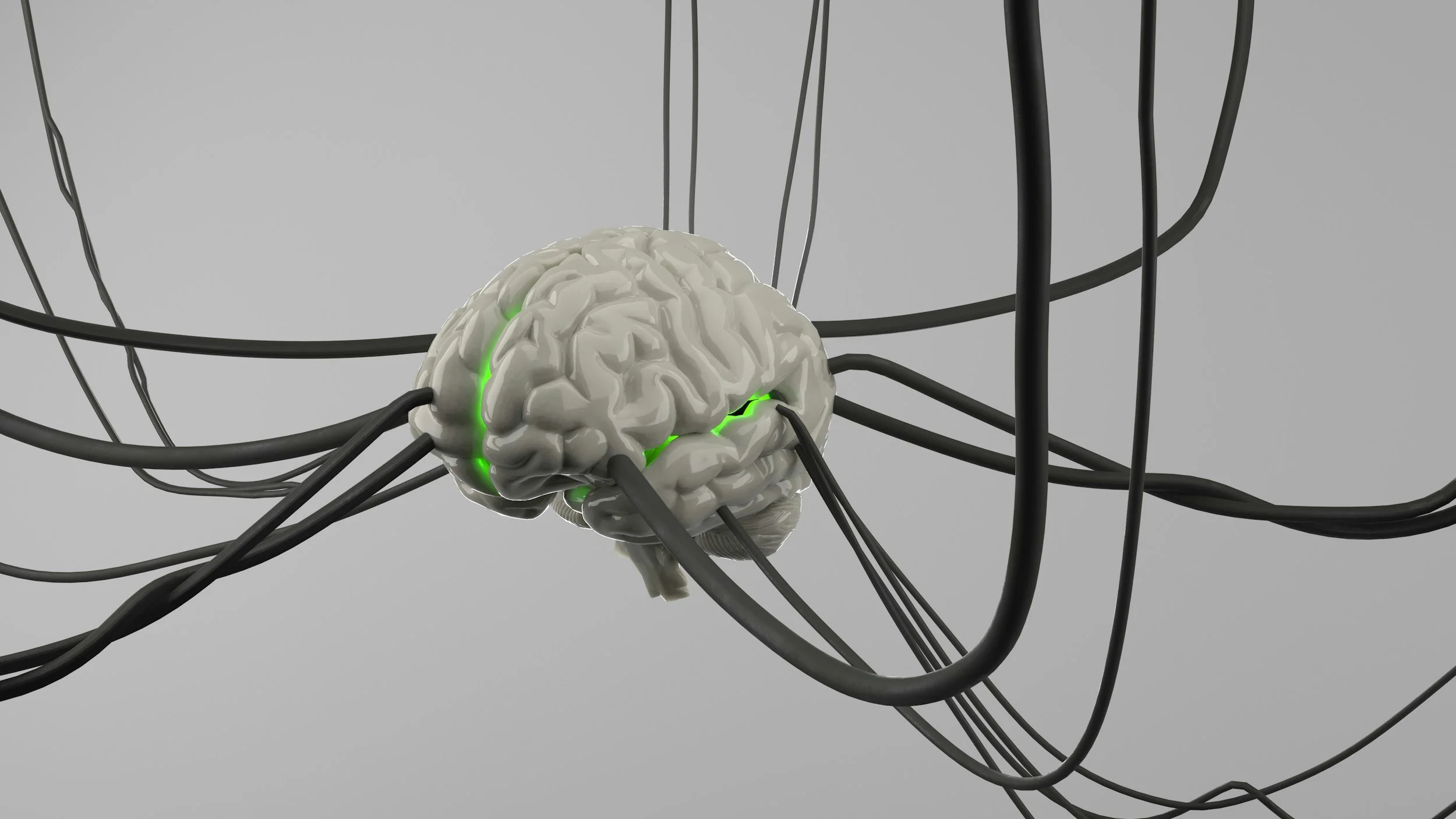
You may notice symptoms such as:
Rapid heartbeat
Fast or shallow breathing
Sweating
Muscle tension
Restlessness
Shaking or trembling
Feeling “on edge”
Dry mouth
Your body releases stress hormones such as adrenaline and cortisol, which are designed to help you survive danger. The problem is that chronic anxiety can keep the body stuck in this heightened state for long periods of time.
The Parasympathetic Nervous System
This is often called the “rest and digest” system. Its role is to calm the body down once the threat has passed.
When the parasympathetic nervous system is activated, the body begins to slow the heart rate, relax muscles, regulate breathing, and restore a sense of balance.
Many therapeutic approaches, including hypnotherapy, relaxation techniques, breathwork, and mindfulness, work by helping the nervous system shift back into this calmer state.
Common Physical Symptoms of Anxiety in the Body
Because the nervous system affects the entire body, anxiety can show up in many different ways.
Chest Tightness and Racing Heart
One of the most common symptoms of anxiety is a pounding or racing heart. This happens because adrenaline increases your heart rate to prepare you for action.
For some people, this can feel frightening and may even lead to worries about serious health problems. Chest tightness, palpitations, or a sense of pressure are all common physical responses to stress and anxiety.
Breathing Difficulties
Anxiety often changes the way we breathe. Many people begin breathing quickly and shallowly without realising it.
This can lead to symptoms such as:
Breathlessness
Feeling unable to take a deep breath
Light-headedness
Tingling in the hands or face
Dizziness
When the nervous system is activated, breathing becomes faster to prepare the body for danger. Learning to regulate breathing can help signal safety back to the brain.
Digestive Problems
The gut and the nervous system are deeply connected. In fact, the gut is sometimes referred to as the “second brain.”
When anxiety is high, digestion is often disrupted because the body prioritises survival over digestion.

This may contribute to:
Nausea
Stomach pain
IBS symptoms
Diarrhoea
Loss of appetite
Emotional eating
Long-term stress can make digestive symptoms feel worse, creating a cycle where anxiety and physical discomfort reinforce each other.
Muscle Tension and Pain
Many people carry anxiety physically in their muscles without even noticing.
Common areas of tension include:
Jaw and teeth grinding
Neck and shoulders
Back pain
Headaches
Tight chest muscles
When the nervous system stays alert for long periods, muscles remain partially contracted, which can lead to chronic discomfort and fatigue.
Fatigue and Exhaustion
People often assume anxiety means feeling “wired,” but anxiety can also be deeply exhausting.
If your nervous system is constantly scanning for danger, your body uses a significant amount of energy. Over time, this can lead to mental exhaustion, poor sleep, burnout, and physical fatigue.
Even when someone appears calm externally, their nervous system may still be working overtime internally.
Skin and Sensory Symptoms
Stress and anxiety can also affect the skin and senses.
Some people experience:
Sweating
Skin flare-ups
Itching
Hot flushes
Tingling sensations
Increased sensitivity to noise or light
Again, these are signs that the nervous system is in a heightened state of alert.
Why Physical Symptoms Can Increase Anxiety
One of the hardest parts of anxiety is that physical symptoms themselves can become frightening.
For example, someone may notice their heart racing and begin worrying that something is medically wrong. This fear creates more anxiety, which then intensifies the physical sensations.
This cycle can make anxiety feel difficult to escape.
Understanding that the nervous system is involved can help reduce fear around the symptoms. While anxiety symptoms should never replace medical advice where appropriate, many physical sensations linked to anxiety are a sign of a stressed nervous system rather than actual danger.
Can Anxiety Dysregulate the Nervous System?
The encouraging news is that the nervous system is adaptable.
The body can learn safety again.
When we reduce chronic stress and help regulate the nervous system, physical symptoms of anxiety often begin to improve. This does not usually happen overnight, but small, consistent changes can have a significant impact.

Helpful approaches may include:
Hypnotherapy
Relaxation techniques
Breathwork
Better sleep habits
Mindfulness and grounding
Gentle movement
Reducing overstimulation
Therapy and emotional support
Hypnotherapy can be particularly helpful because it works with both the mind and body, encouraging deep relaxation and helping calm the nervous system’s stress response.
You Are Not Imagining It
Living with physical anxiety symptoms can feel confusing, frustrating, and sometimes frightening, especially when others cannot see what is happening internally.
But anxiety is not weakness, and your symptoms are not “made up.”
Your nervous system may simply be stuck in protection mode.
With the right support, it is possible to help your mind and body feel safe again.
If anxiety is affecting your physical wellbeing, hypnotherapy may help you calm your nervous system, reduce stress responses, and feel more in control again.
Book a free initial consultation to learn how hypnotherapy can support you.
FAQ’s
-
Yes. Anxiety can create very real physical symptoms because it activates the body’s stress response and nervous system. Symptoms such as chest tightness, dizziness, headaches, muscle tension, nausea, and fatigue are all common.
-
Anxiety activates the sympathetic nervous system, also known as the fight-or-flight response. This causes physical changes in the body designed to prepare you for danger, even when there is no immediate threat.
-
They can. Many people with anxiety experience symptoms such as heart palpitations, chest pain, digestive problems, or breathlessness, which can feel frightening. It is always important to seek medical advice if you are concerned about your symptoms.
-
Nervous system dysregulation happens when the body stays stuck in a prolonged stress response. This can make it difficult for the body to fully relax and may contribute to ongoing anxiety symptoms.
-
This varies from person to person. With consistent support and nervous system regulation, many people notice gradual improvements in both their emotional wellbeing and physical symptoms over time.
-
Hypnotherapy may help reduce stress responses by encouraging deep relaxation and helping the mind and body feel safer. Many people find it beneficial for managing anxiety and physical stress symptoms.