
Why Is My Anxiety Worse at Night?
If you’ve ever noticed your anxiety feels worse at night, you’re not imagining it.
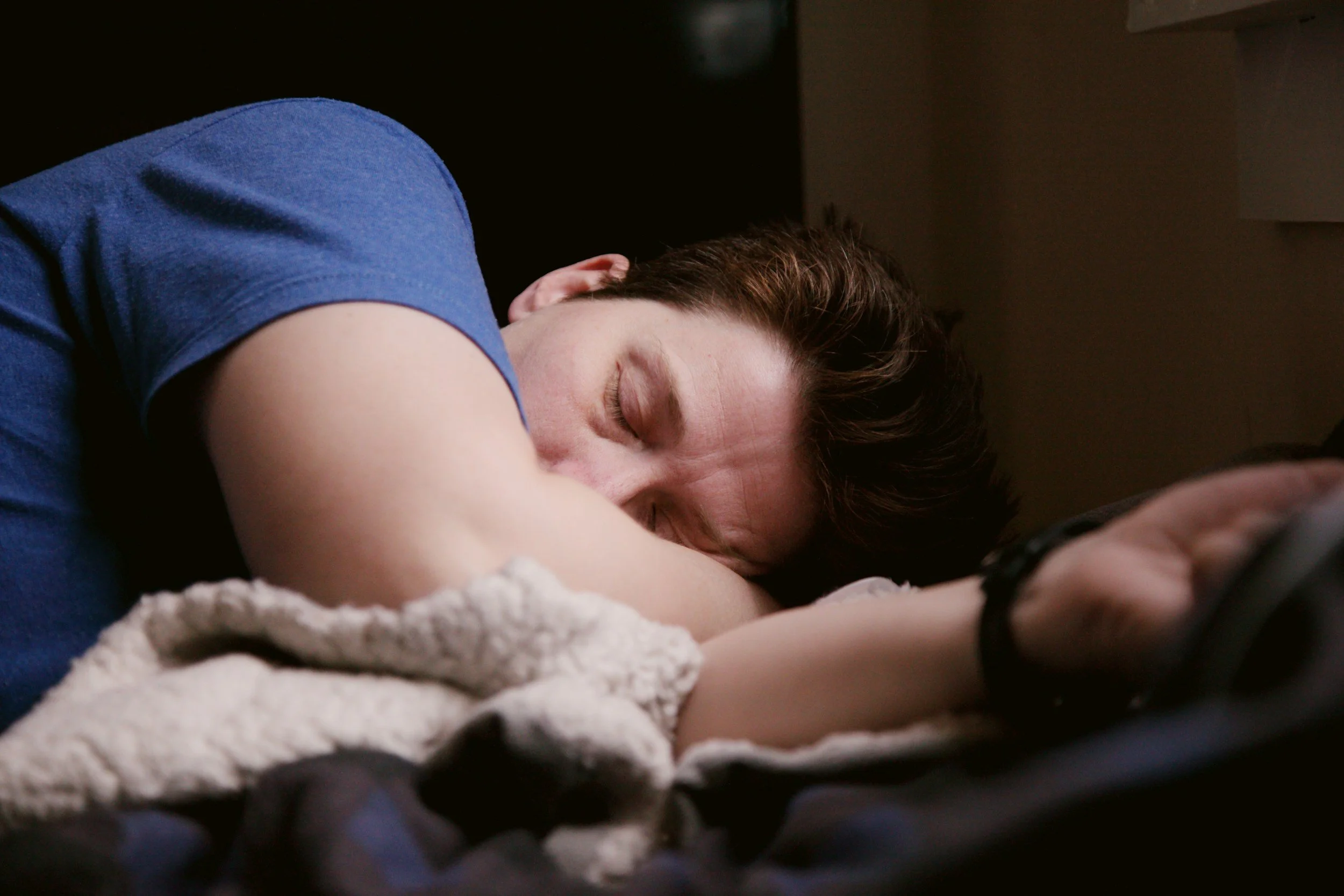
For many people, the day can feel manageable. But as soon as things quiet down, the mind becomes louder. Thoughts race, worries appear, and sleep feels out of reach.
A very common question is: “why is my anxiety worse at night?”
And there is a clear reason for this experience.
Why Anxiety Often Gets Worse at Night
Anxiety at night isn’t random. It’s linked to how your brain and nervous system respond when external distractions reduce.
During the day, your attention is pulled outward:
Work
Conversations
Tasks
Constant stimulation
At night, that external focus disappears. This is when the mind turns inward.
For someone with anxiety, that inward focus can amplify thoughts and feelings that were already there in the background.
Your Nervous System Doesn’t Automatically Switch Off
Your nervous system is designed to keep you alert to potential threat.
If it has been in a heightened state during the day, even mildly, it doesn’t simply reset at bedtime.
Instead, it can stay active, which may lead to:
Racing thoughts
Physical tension in the body
A sense of unease or restlessness
Difficulty falling or staying asleep
This is why you may feel tired… but unable to switch off.
Why Your Thoughts Get Louder at Night
At night, your brain has fewer distractions, so internal thoughts become more noticeable.
This can lead to:
Replaying the day
Anticipating tomorrow
Analysing conversations or decisions
“What if” thinking patterns
This isn’t a sign something is wrong. It’s your mind trying to process and organise information when it finally has space to do so.
The challenge is that anxiety can distort this process, turning reflection into overthinking.
The Link Between Sleep and Anxiety
Sleep and anxiety are closely connected.
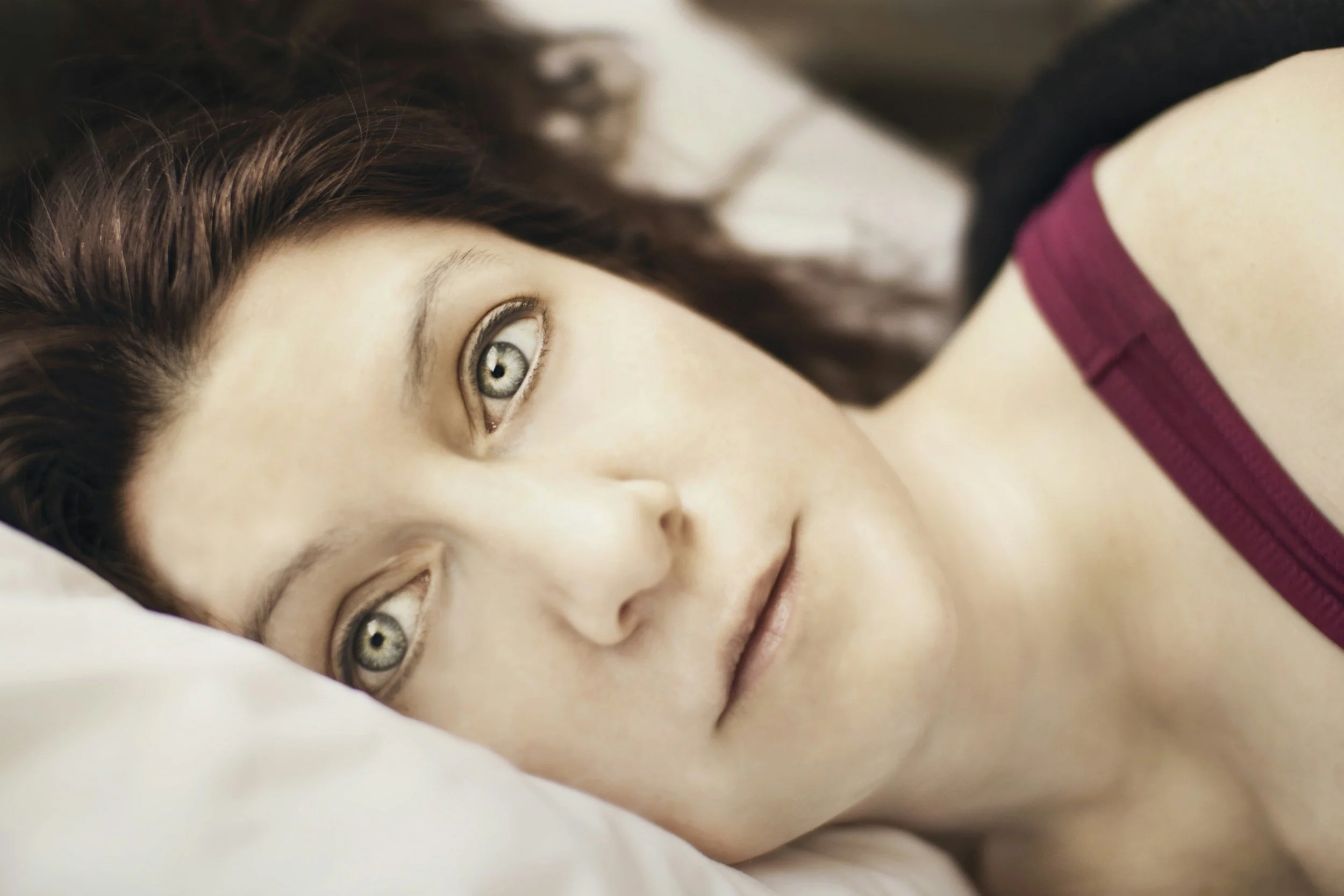
When you struggle to sleep:
Your nervous system stays activated
Your body doesn’t fully recover
Your mind becomes more sensitive the next day
This can create a cycle where anxiety affects sleep, and poor sleep increases anxiety.
Over time, your brain can start to associate bedtime with alertness rather than rest.
Why Trying to “Force Sleep” Often Makes It Worse
Many people try to solve night anxiety by trying harder to fall asleep.
But effort can increase pressure on the nervous system.
The brain reads this as:
“Something needs fixing”
“I’m not safe yet”
Which can keep the system activated.
This is why sleep often improves when the focus shifts from control to calming the overall stress response.
How Hypnotherapy Can Help Night Anxiety
Hypnotherapy works with the subconscious patterns that keep the mind alert at night.
It can help to:
Calm the nervous system before sleep
Reduce racing or repetitive thought patterns
Re-train the brain’s association with bedtime
Support a deeper sense of internal safety and relaxation
As these patterns shift, many people find that their mind becomes quieter at night without needing to actively “force” relaxation.
You Don’t Have to Lie Awake With a Busy Mind
Night-time anxiety can feel isolating, especially when the world is quiet and you just want rest.
But this experience is far more common than people realise and it is something that can change.
With the right support, your mind can learn to settle, allowing sleep to become easier and more natural again.
If you’d like support with this, you can book a free initial consultation to explore how solution focused hypnotherapy could help.
FAQ’s
-
Anxiety often feels worse at night because distractions reduce, allowing internal thoughts and feelings to become more noticeable. The nervous system may also remain in a heightened state from the day.
-
Yes. Anxiety can activate the stress response, making it harder for the body and mind to relax enough to fall asleep or stay asleep.
-
Racing thoughts at night are often due to reduced external stimulation, which causes the mind to process unresolved thoughts, worries, or stress more actively.
-
Yes, it is very common. Many people experience increased anxiety at night, especially during periods of stress, burnout, or overthinking patterns.
-
Yes. Hypnotherapy can help calm the nervous system and reduce subconscious thought patterns that contribute to night-time anxiety, supporting more restful sleep.