
Thalassophobia: Understanding the Fear of Deep or Open Water
For many people, being near the sea, lakes, or open water can feel peaceful and calming. For others, it can trigger intense anxiety, fear, or panic. If the thought of deep or open water makes you feel uneasy, overwhelmed, or out of control, you may be experiencing thalassophobia, a fear of large bodies of water.
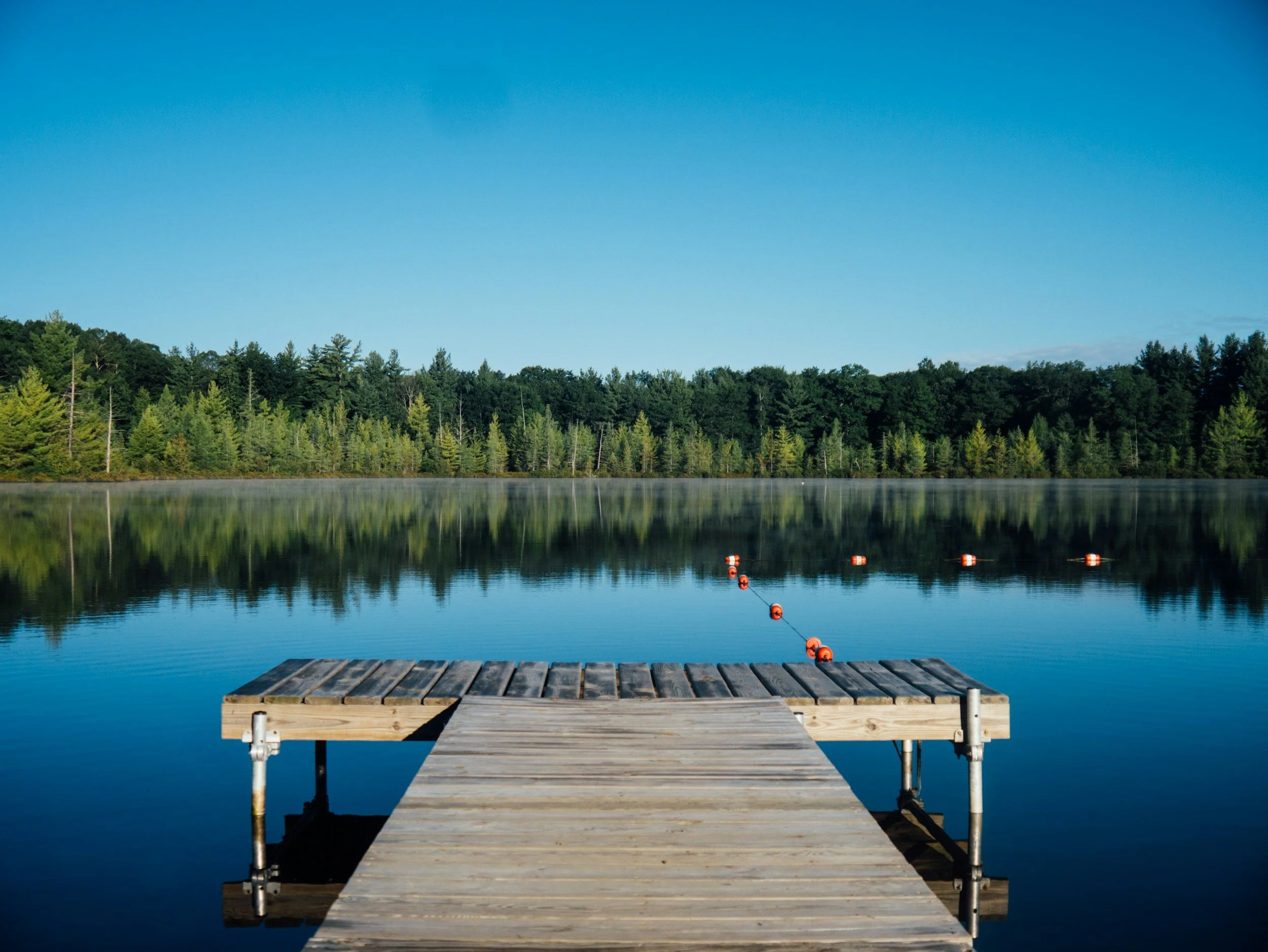
Thalassophobia is often misunderstood.
It is not simply about being unable to swim or disliking water. The fear is usually linked to the vastness, depth, or unpredictability of open water, which can make people feel vulnerable or unsafe.
The encouraging news is that thalassophobia is a learned protective response created by the subconscious mind, and with the right support, it can be gently and effectively changed.
What Is Thalassophobia?
Thalassophobia refers to a persistent fear of deep or open water such as oceans, seas, lakes, or even large swimming areas. For some people, the fear is triggered by physically being near water. For others, it can arise when thinking about swimming in deep water, going on boats or cruises, or even seeing images or videos of underwater environments.
This fear can impact holidays, leisure activities, exercise, and social experiences, often leading people to avoid situations that involve water altogether.
How Thalassophobia Can Feel
The experience of thalassophobia can be both physical and emotional. Many people describe feeling overwhelmed by the sense of depth, lack of control, or uncertainty associated with open water.
Common symptoms can include:
Anxiety or dread before visiting beaches, lakes, or swimming pools
Panic when entering deep water or travelling on boats
A racing heart, dizziness, or breathlessness
Feeling unsafe or trapped in water environments
Avoiding swimming, cruises, or water-based holidays
Vivid or intrusive thoughts about what might be beneath the surface
These reactions can feel confusing, particularly when someone logically understands they are safe. This happens because the subconscious mind can trigger a powerful protective response before rational thinking has time to engage.
Why Does Thalassophobia Develop?
Like many phobias, thalassophobia often develops as the mind attempts to protect us from perceived danger. This can be influenced by:
A past negative or frightening water experience
Exposure to distressing media or stories involving water
A natural sensitivity to environments that feel unpredictable
Fear of the unknown or lack of control
Once the subconscious links open water with threat, the body can begin responding automatically with anxiety, even in safe situations.
It is important to remember that this is not irrational or unusual. It is simply the brain trying to keep you safe.
Fear of Not Being Able to Touch the Bottom
For some people, fear of open water is strongly linked to the feeling of not being able to touch the floor beneath their feet. This can happen in the sea, lakes, or even the deep end of a swimming pool. While shallow water may feel manageable, anxiety can increase quickly as depth increases or when the ground can no longer be felt.
Being able to feel solid ground often gives the brain a strong sense of safety and control. When that physical reassurance disappears, the subconscious mind may interpret the situation as uncertain or unsafe, even when there is no real danger.

This can trigger panic responses such as breathlessness, racing thoughts, or an urge to escape the water.
This experience is very common within thalassophobia and can also overlap with fears relating to depth or loss of control in water environments.
Fear of Deep Water and the Deep End of Swimming Pools
Some people experience anxiety specifically when entering the deep end of a swimming pool or swimming in water where they cannot see or reach the bottom. This fear can feel confusing, particularly if someone is able to swim or feels comfortable in shallow water.
Searches commonly linked to this experience include:
Fear of deep water when I cannot touch the bottom
Panic in the deep end of a swimming pool
Anxiety swimming in deep water
Why do I feel scared when I cannot see the bottom of the sea
Fear of losing control in water
These fears are often linked to the subconscious mind associating depth with uncertainty or vulnerability. With the right therapeutic support, the brain can learn to feel safe again, allowing confidence in water environments to build naturally.
When Fear of Open Water Begins to Affect Life
Some caution around water is natural and healthy. However, thalassophobia can become distressing when it begins to limit activities or experiences you would otherwise enjoy.
Many people find their fear affects:
Family holidays or beach trips
Swimming or water-based exercise
Boat travel or cruises
Time spent near lakes, rivers, or coastal environments
Over time, avoiding water-related situations can reinforce anxiety and reduce confidence, making the fear feel stronger.
How Solution-Focused Hypnotherapy Can Help Thalassophobia
Solution-focused hypnotherapy helps people overcome phobias by supporting the mind and nervous system to move away from fear-based responses and towards calm, balanced thinking.
Importantly, this approach does not involve:
Analysing past traumatic experiences
Talking in detail about frightening water memories
Exposure therapy or being encouraged to face water before you feel ready
Reliving distressing events
Instead, hypnotherapy focuses on helping clients strengthen emotional resilience, build confidence, and reduce subconscious anxiety responses connected to water environments.
By working with the subconscious mind, where phobias are stored, this process helps change automatic fear reactions in a gentle and supportive way.
Many clients feel relieved to learn they do not need to revisit upsetting experiences for change to occur.
Confidence Around Water Can Develop Naturally
A common concern for people with thalassophobia is the belief that they will need to force themselves into uncomfortable situations to overcome their fear. With solution-focused hypnotherapy, confidence develops gradually and naturally as the mind begins to feel calmer and safer.
As anxiety reduces, many people find they begin responding differently to water environments without needing to push themselves.
Moving Forward From Thalassophobia
Fear of open water can feel limiting, especially when it prevents enjoyment of travel, relaxation, or social experiences. However, thalassophobia is highly responsive to the right support.
Change is possible without exposure therapy or revisiting distressing memories. It simply involves helping the brain create new, calmer patterns of response.
Taking the First Step
If fear of deep or open water is affecting your confidence or limiting experiences, support is available.
At Aspyre Hypnotherapy, I help clients overcome phobias and anxiety using solution-focused hypnotherapy in a gentle, forward-focused way.
Book a free initial consultation to explore how hypnotherapy could help you feel calmer and more in control.
FAQ’s
-
Thalassophobia is a fear of deep or open water such as oceans, seas, lakes, or large swimming areas. It can cause intense anxiety or panic when near or thinking about large bodies of water.
-
Thalassophobia can develop from past water-related experiences, fear of the unknown, exposure to distressing media, or the brain creating protective responses to perceived risk.
-
Many people feel anxious when they cannot feel the floor beneath their feet because it removes a sense of physical safety and control. The brain may interpret deep water as unpredictable or risky, triggering an automatic fear response. Solution-focused hypnotherapy can help reduce this subconscious anxiety response and rebuild confidence in water environments.
-
Yes. Many people experience some level of discomfort around deep water. Thalassophobia occurs when the fear becomes intense, persistent, or begins limiting daily life or travel experiences.
-
Yes. Phobias are learned subconscious responses, which means they can be changed with appropriate therapeutic support.
-
Solution-focused hypnotherapy can help calm the subconscious fear response connected to open water, improve confidence, and reduce anxiety without exposure therapy.