
Dentophobia: Understanding the Fear of Dentists and Dental Treatment
The reminder pops up on your phone: Dental appointment tomorrow. For some people, it is a simple calendar note. For others, it can trigger a wave of anxiety, racing thoughts, or an urge to cancel altogether. If dental visits leave you feeling overwhelmed, fearful, or out of control, you are not alone.
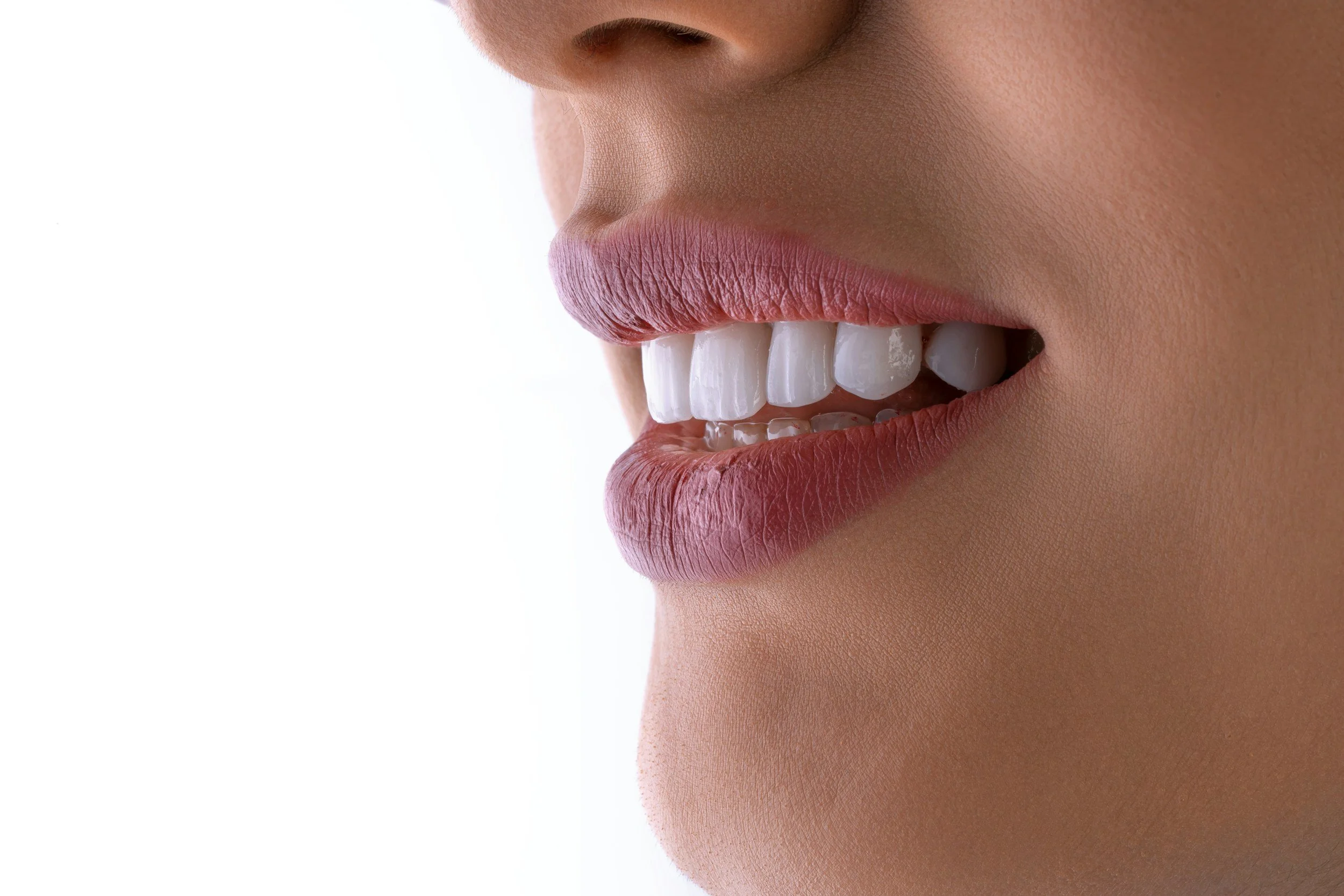
Fear of dentists, known as dentophobia, is one of the most common yet least openly discussed phobias.
Dentophobia affects people of all ages. Professionals may worry about losing control or feeling embarrassed, while teenagers and young adults may fear discomfort, judgement, or negative past experiences. Whatever the reason, dental anxiety is far more common than many people realise.
The reassuring news is that dentophobia is not a personal weakness. It is a protective response created by the subconscious mind and it can be gently and effectively changed.
What Is Dentophobia?
Dentophobia is a persistent fear of dental environments, procedures, or treatment. This fear can range from mild anxiety before appointments to severe panic that leads people to delay or completely avoid dental care.
Avoiding dental visits can create a cycle where anxiety increases over time, particularly if small dental issues develop into more complex treatment needs. Many people feel frustrated with themselves for postponing appointments, which can increase stress and self-criticism.
How Fear of Dentists Can Affect Daily Life
Dental anxiety does not only affect oral health. It can also impact confidence, comfort, and overall wellbeing.
Common experiences include:
Feeling tense or panicked before dental appointments
Avoiding booking or cancelling appointments repeatedly
Fear of injections, drills, or dental instruments
Worry about pain or loss of control during treatment
Feeling embarrassed about dental health or fear of judgement
Difficulty sleeping or concentrating before appointments
Professionals often describe feeling uncomfortable about taking time off work due to anxiety, while younger clients may feel pressure from parents or worry about being unable to cope during treatment.
These reactions can feel overwhelming, even when someone understands that modern dentistry is safe and routine. This happens because the subconscious mind can trigger a fear response automatically.
Why Does Dentophobia Develop?
Dentophobia can develop for many reasons, including:
Previous uncomfortable or distressing dental experiences
Fear of pain or injections
Feeling vulnerable or unable to communicate during treatment
Sensory sensitivity to sounds, smells, or physical sensations
Hearing negative stories from others
A natural tendency towards anxiety or perfectionism
Once the brain associates dental environments with threat, it may begin activating anxiety responses automatically.
It is important to understand that this is the brain trying to protect you — even if the response no longer feels helpful.
Dentophobia in Teens and Young Adults
Dental anxiety is particularly common in teenagers and young adults. This age group may experience additional concerns such as fear of embarrassment, sensitivity around appearance, or anxiety about coping independently during appointments.
Early support can be especially valuable, helping younger individuals build confidence around dental care and preventing avoidance patterns from developing long-term.
How Dentophobia Can Affect Professionals
Professionals often experience dental anxiety differently. Many feel pressure to remain composed and in control in daily life, which can make situations involving vulnerability or loss of control feel particularly uncomfortable.

Dental anxiety can also create stress around scheduling appointments, balancing work commitments, or worrying about how treatment might affect professional confidence or appearance.
How Solution-Focused Hypnotherapy Can Help Dentophobia
Solution-focused hypnotherapy helps people overcome dental anxiety by supporting the brain and nervous system to move away from fear-based responses and towards calm, balanced thinking.
Importantly, this approach does not involve:
Analysing distressing past dental experiences
Talking in detail about painful procedures
Exposure therapy or forcing clients into dental situations
Replaying traumatic memories
Instead, hypnotherapy focuses on helping clients strengthen emotional resilience, reduce subconscious fear responses, and build confidence around dental care.
By working with the subconscious mind — where phobias and anxiety patterns are stored — hypnotherapy helps change automatic fear responses in a gentle and supportive way.
Many clients find it reassuring that they do not need to revisit negative experiences for change to occur.
Building Confidence Around Dental Care
One of the biggest concerns people have is the belief that they will need to “push through” fear to cope with dental treatment. In reality, confidence often develops naturally as anxiety reduces and the mind begins to feel calmer and safer.
Clients frequently report feeling more in control, more relaxed during appointments, and more able to attend regular dental visits comfortably.
Moving Forward From Dentophobia
Fear of dentists can feel isolating, especially when it affects health, confidence, or daily comfort. However, dentophobia is highly responsive to the right support.
Change is possible without exposure therapy or revisiting distressing memories. It simply involves helping the brain develop new, calmer responses to dental environments.
Taking the First Step
If fear of dentists is preventing you or your child from attending appointments comfortably, support is available.
I help clients overcome phobias and anxiety using solution-focused hypnotherapy in a gentle, forward-focused way.
Book a free initial consultation to explore how hypnotherapy could help you feel calmer and more confident about dental care.
FAQ’s
-
Dentophobia is a fear of dentists or dental treatment that can cause intense anxiety, panic, or avoidance of dental appointments.
-
Dental anxiety often develops from past experiences, fear of pain, feeling vulnerable during treatment, or the brain creating protective anxiety responses.
-
Yes. Dental anxiety is extremely common and affects both adults and young people. Many people delay or avoid dental treatment due to fear.
-
Yes. Dentophobia is a learned subconscious response, which means it can be reduced or resolved with appropriate therapeutic support.
-
Solution-focused hypnotherapy can help calm subconscious fear responses, improve confidence, and reduce dental anxiety without exposure therapy or revisiting distressing experiences.