
Do you find it difficult to relax when someone else is driving? Perhaps you grip the door handle, watch the road constantly, brace yourself when approaching junctions or feel your heart racing when travelling on a motorway.
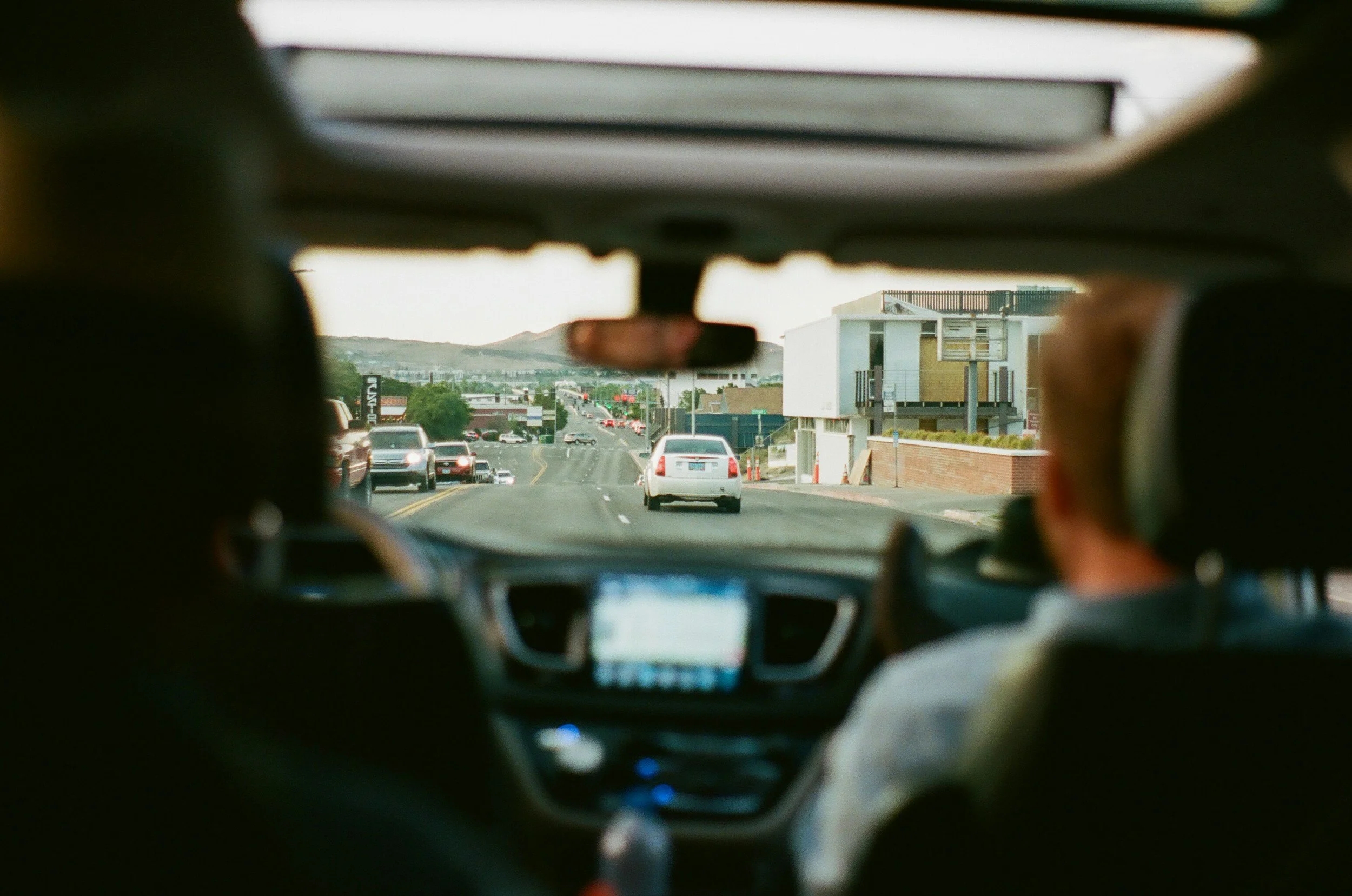
You might even find yourself feeling perfectly comfortable driving the car yourself, but become anxious as soon as somebody else takes the wheel.
Passenger anxiety is more common than you might think. For some people, travelling in a car can trigger feelings of fear, panic and a lack of control, making even a short journey feel exhausting. But why does this happen, and is it possible to feel more relaxed when someone else is driving?
What Is Passenger Anxiety and Why Am I Scared of Being a Passenger?
Feelings of nervousness, fear or panic when travelling in a vehicle as a passenger, can lead people to avoid travelling with others. It can affect people in different ways, from feeling slightly uncomfortable to experiencing an intense fear that makes them not want to go out on journeys altogether.
You might experience anxiety:
When travelling on motorways.
When someone else is overtaking or changing lanes.
When approaching roundabouts, junctions or busy traffic.
When travelling with an unfamiliar driver.
When sitting in the front or back of a car.
When travelling in poor weather or at night.
For some people, the fear is linked to a previous accident or frightening experience. For others, there may be no obvious reason why they struggle to relax when somebody else is driving.
At the heart of passenger anxiety is often a feeling of not being in control. You aren't making the decisions, controlling the speed or choosing how the driver responds to other road users.
What Are the Signs and Symptoms of Passenger Anxiety?

Passenger anxiety can affect both your physical and emotional wellbeing.
You might recognise some of the following:
A racing heart, sweating or feeling physically tense.
Feeling sick, dizzy or breathless during a journey.
Constantly watching the road and anticipating potential dangers.
Bracing yourself when the car approaches another vehicle or junction.
Feeling frightened when the driver accelerates, brakes or overtakes.
Repeatedly asking the driver to slow down or change their driving.
Avoiding longer journeys, motorways or travelling with certain people.
Feeling exhausted or emotionally drained after a journey.
Sometimes the anxiety begins before you even get into the car. You might worry about an upcoming journey for days, imagining everything that could go wrong.
Why Does Anxiety When Travelling in a Car Develop?
There isn't always one specific reason why someone develops a fear of being a passenger.
For some, it follows a frightening experience, such as being involved in a car accident, witnessing a collision or travelling with someone whose driving felt unsafe.
For others, it may be linked to a more general pattern of anxiety, where the brain has become particularly alert to potential danger.
Our brains have a natural threat response designed to protect us. When the brain perceives danger, it can activate the fight-or-flight response, creating physical sensations such as a racing heart, muscle tension and heightened awareness.
When you're a passenger, you have limited control over what happens around you. If your brain is already anticipating danger, you may find yourself constantly scanning the road, looking for potential risks and preparing for something to happen.
The difficulty is that this constant monitoring can make you feel even more anxious. You become increasingly focused on what might go wrong, reinforcing the association between travelling in a car and feeling unsafe.
Why Am I More Anxious on Motorways as a Passenger?
Passenger anxiety on motorways can be particularly challenging.
The speed of the traffic, the proximity of other vehicles and the feeling that you cannot simply stop and get out can all contribute to anxiety.
You might find yourself:
Watching every vehicle approaching from behind.
Feeling uncomfortable when the driver changes lanes.
Worrying about lorries or vehicles travelling close to you.
Feeling trapped because there isn't an immediate opportunity to stop.
Constantly anticipating an accident or sudden braking.
For some people, motorway journeys trigger panic even when they know the driver is experienced and the journey is perfectly safe.
It is important to recognise that feeling anxious doesn't necessarily mean you are in danger. Sometimes the brain's threat response is more active than the situation requires.
How Can Hypnotherapy Help with Passenger Anxiety?
Clinical Solution Focused Hypnotherapy offers a forward-focused approach to working towards feeling calmer and more confident when travelling as a passenger.

At Aspyre Hypnotherapy, I combine talking therapy, modern neuroscience and relaxing hypnosis to help clients understand their anxiety and focus on the changes they would like to make.
Rather than spending time dwelling on past experiences or what might happen during a journey, we concentrate on your ideal future, without your anxiety front and centre.
Perhaps you would like to:
Enjoy a journey without constantly monitoring the road.
Feel comfortable travelling on long journeys.
Stop anticipating accidents or unexpected situations.
Enjoy holidays and days out without worrying about the car journey.
During sessions, we explore how your brain responds to stress and anxiety and work towards developing more helpful thought patterns and responses.
The hypnosis element takes place in a relaxed state, using positive suggestions and mental rehearsal to help you imagine future journeys with greater calm and confidence.
The aim isn't to remove sensible awareness or make you ignore genuine risks. It's to help reduce the unnecessary anxiety that can prevent you from enjoying travelling with other people.
Everyone's experience is different, but working towards a calmer response can make a meaningful difference to everyday life.
What Can I Do to Feel More Relaxed as a Passenger?
There are a few practical things that may help you feel more comfortable when travelling:
Recognise your triggers: Think about which situations cause the most anxiety. Is it speed, motorways, unfamiliar drivers or feeling unable to control the journey?
Communicate with the driver: Where possible, let them know how you feel. A calm and considerate driver may help you feel more comfortable.
Use calming techniques: Practise slow, comfortable breathing when you are relaxed, so you become familiar with it before a journey.
Focus on the present: Try to bring your attention back to what is happening now, rather than anticipating everything that could go wrong.
Avoid unnecessary pressure: You don't need to pretend you are comfortable or dismiss how you feel. Give yourself time to understand your anxiety and seek appropriate support.
If your anxiety is severe, affects your everyday life or is associated with frequent panic attacks, consider speaking to your GP or a suitably qualified healthcare professional.
Take the First Step Towards Overcoming Passenger Anxiety
Feeling anxious as a passenger can be frustrating, particularly when you would love to enjoy a journey without constantly worrying about what might happen.
Perhaps you avoid long journeys, dread motorway travel or find it difficult to relax even when someone you trust is driving.
You don't have to simply accept that this is how travelling will always feel.
At Aspyre Hypnotherapy, I support adults who want to feel calmer, more confident and more in control of their lives. Clinical Solution Focused Hypnotherapy offers a supportive, forward-focused approach to working towards those changes.
If passenger anxiety is affecting your confidence or independence, I offer a free initial consultation so we can talk about what you're experiencing and whether this approach may be suitable for you.
FAQ’s
-
Passenger anxiety can develop for several reasons, including a previous accident, fear of losing control or a wider pattern of anxiety. You may find yourself anticipating danger or constantly monitoring the road, even when travelling with someone you trust.
-
When driving, you have greater control over the vehicle, speed and decisions. As a passenger, you rely on someone else, which can feel uncomfortable if you struggle with uncertainty or fear something going wrong.
-
Motorways can trigger anxiety because of higher speeds, heavy traffic, overtaking and the feeling that there are fewer opportunities to stop. These situations can activate the brain's threat response, even when the journey is safe.
-
Yes. A frightening experience or accident can lead to increased anxiety when travelling in a car. You may become more alert to potential dangers or worry that another accident could happen. Support can help you work towards feeling more comfortable travelling again.
-
Clinical Solution Focused Hypnotherapy may help you work towards feeling calmer and more confident when travelling as a passenger. It combines talking therapy, modern neuroscience and hypnosis, focusing on positive future goals and more helpful responses to anxiety.