
Have you ever taken a much longer route because it meant avoiding the motorway? Maybe, you feel perfectly comfortable driving familiar local roads but anxiety hits at the thought of joining a dual carriageway, navigating a busy roundabout or travelling somewhere unfamiliar.
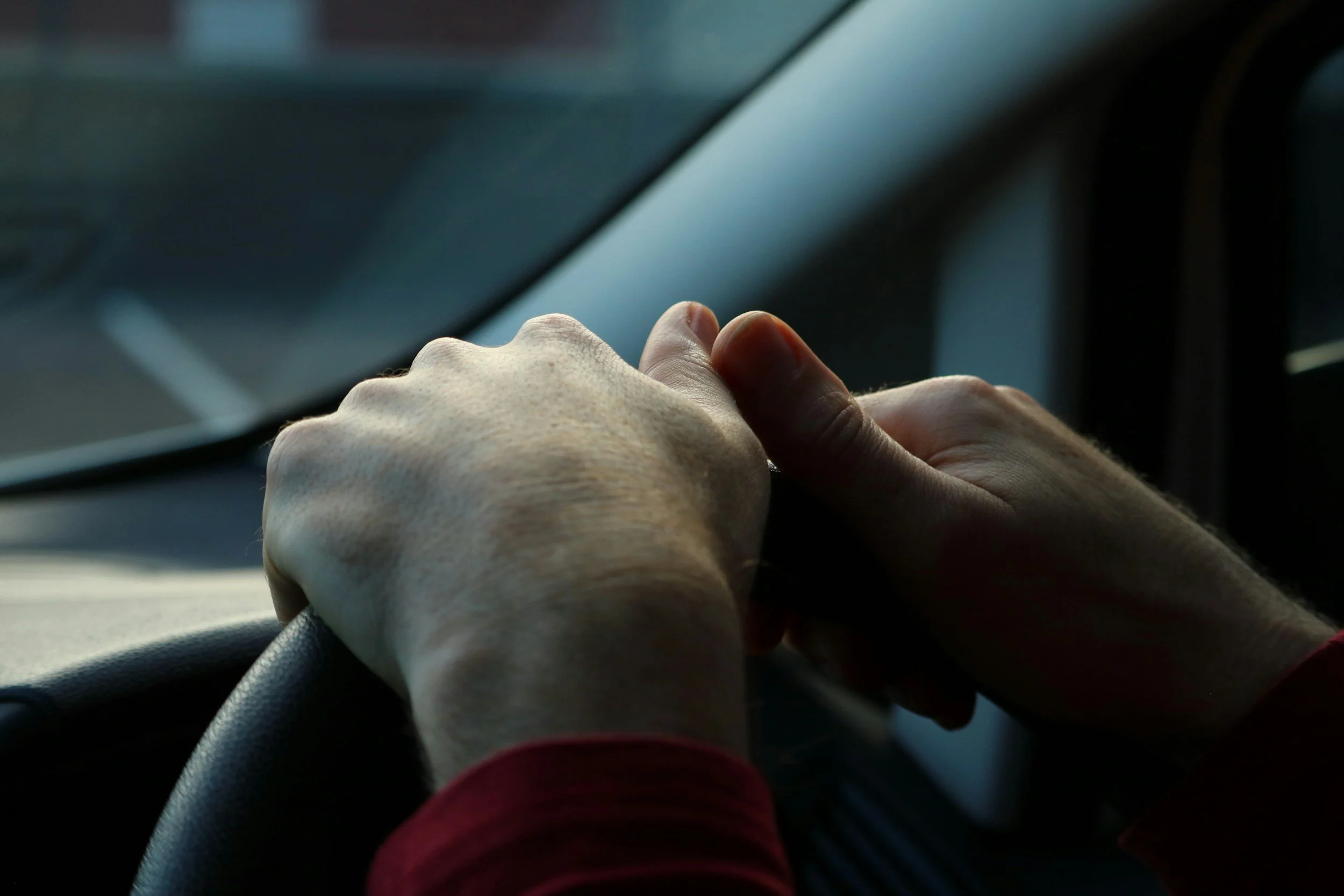
Fear of driving and driving anxiety can affect people in many different ways.
For some, it develops after an accident or frightening experience. For others, there may be no obvious reason why driving has suddenly become something they dread.
Whatever the cause, driving anxiety can feel restrictive, affecting your independence, confidence and everyday life. The good news is that it is possible to develop a calmer and more confident relationship with driving.
What Is Driving Anxiety and Is Motorway Phobia a Real Phobia?
Driving anxiety describes feelings of fear, nervousness or panic associated with driving. It can range from mild uneasiness to an intense fear that makes someone avoid driving altogether.
Some people experience anxiety in specific situations, such as:
Fear of motorways: worrying about joining fast-moving traffic, overtaking or changing lanes.
Fear of driving after an accident: feeling nervous or unsafe behind the wheel following a collision or near-miss.
Panic attacks while driving: worrying about experiencing physical symptoms such as dizziness, a racing heart or breathlessness while in control of a vehicle.
Fear of bridges, tunnels or busy roads: feeling trapped or unable to escape a particular driving situation.
Fear of driving tests: experiencing intense nerves around the pressure of being assessed.
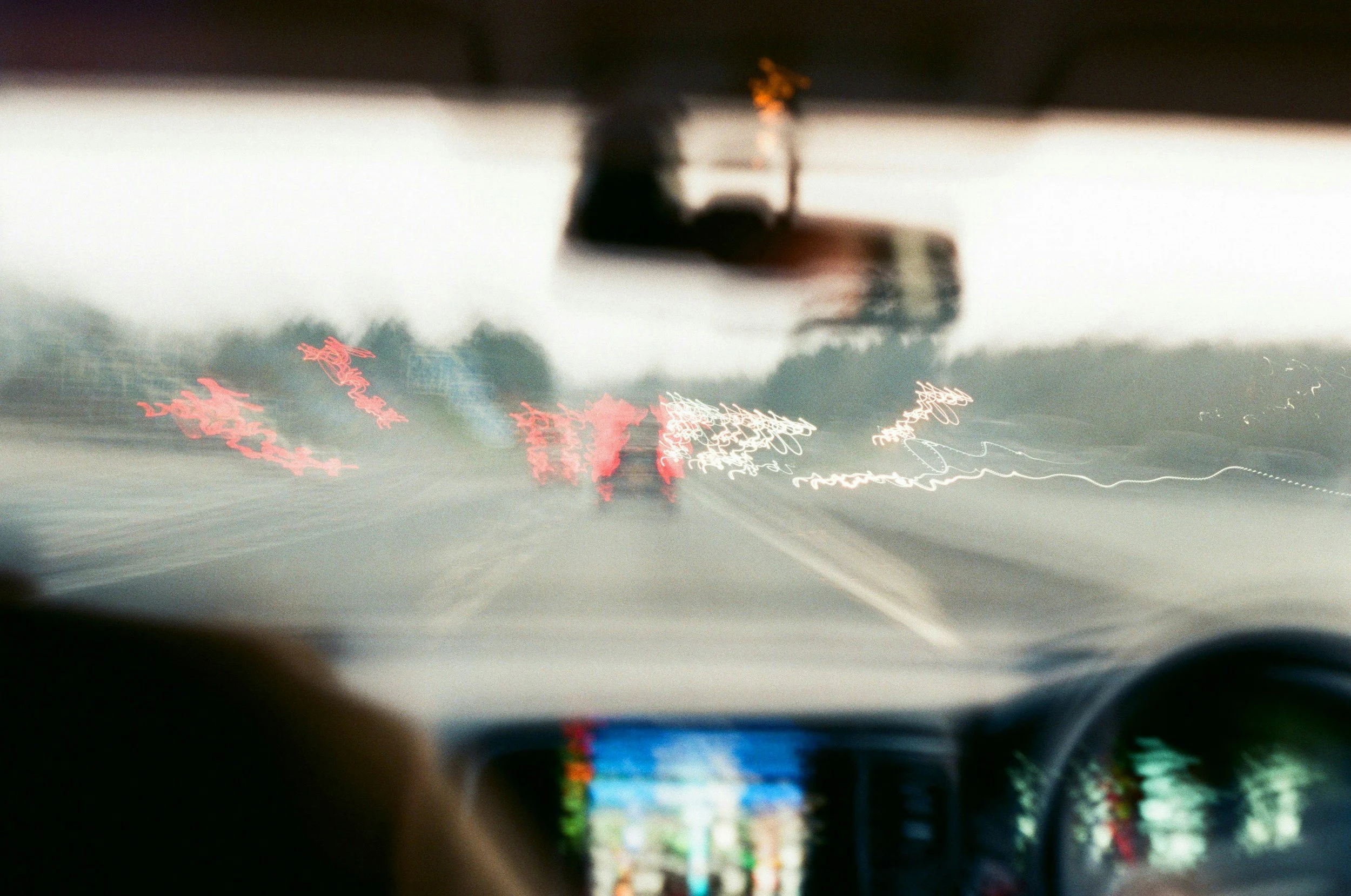
For some, the fear is specific to motorways, while others experience anxiety whenever they drive. It can also develop in people who have been driving confidently for many years.
Driving anxiety doesn't always mean being afraid to drive. Some people experience similar feelings when travelling as a passenger, particularly on motorways, busy roads or unfamiliar routes.
Although the experiences can overlap, passenger anxiety can have different triggers and is worth exploring in its own right.
What Are the Signs and Symptoms of Driving Anxiety?
Driving anxiety can affect both your thoughts and your physical responses. You might notice:
A racing heart, sweating or tense muscles before or during a journey.
Feeling sick, dizzy, breathless or light-headed.
Avoiding going out if it involves driving
Constantly worrying about making a mistake or causing an accident.
Feeling overwhelmed by other drivers, traffic or unexpected situations.
Avoiding motorways, unfamiliar routes or driving at certain times.
Relying on someone else to drive, even when you would prefer to be independent.
Spending considerable time planning journeys to avoid situations that make you anxious.
You might even find yourself worrying about the journey days before you need to make it.
Why Am I Suddenly Scared of Driving?
There isn't always one clear explanation for driving anxiety. Sometimes it follows a frightening experience, such as an accident, near-miss or difficult driving lesson.
In other cases, anxiety develops gradually, or when you have an extended period of stress in your life.
Our brains are designed to recognise potential danger and help protect us. When something feels threatening, the brain's threat response can trigger physical changes associated with the fight-or-flight response.
If you have experienced panic while driving, you may begin to associate driving with those uncomfortable feelings. You might start anticipating another panic attack before you even get into the car.
Avoidance can then become a pattern. Taking the longer route or asking someone else to drive may provide immediate relief, but it can also reinforce the feeling that driving is something you cannot manage.
This doesn't mean you are incapable of driving. It means your brain may have developed an unhelpful association between driving and danger.
Hypnotherapy for Driving Anxiety. How Does it Work?
Hypnotherapy for driving anxiety can offer a supportive way to work towards feeling calmer and more confident behind the wheel.
At Aspyre Hypnotherapy, I use Clinical Solution Focused Hypnotherapy, combining talking therapy, modern neuroscience and hypnosis. Rather than spending time revisiting the past or dwelling on what might go wrong, we focus on what you would like to achieve.
I never incorporate exposure therapy, and there is no talking about the issue.
For example, perhaps you would like to:
Feel more relaxed when getting into the car.
Drive independently without constantly worrying.
Feel comfortable planning a journey without avoiding motorways.
Manage unexpected situations with greater confidence.
Enjoy the freedom that driving can bring.
During sessions, we explore how the brain responds to stress and anxiety, helping you understand why you might be experiencing these feelings. We then focus on developing more helpful ways of thinking and responding.
The hypnosis element takes place in a relaxed state, where we can use positive suggestions and mental rehearsal to help you imagine yourself approaching a future version of you with greater calm and confidence.
The aim isn't to make you reckless or remove sensible caution. It's to help reduce the anxiety that can get in the way of driving safely and comfortably.
Everyone is different, and progress will vary, but developing a more positive outlook and greater confidence can be an important part of moving forward.
Take the First Step Towards Overcoming Your Fear of Driving
Driving anxiety can make everyday activities feel much more complicated than they need to be. You might feel frustrated that you no longer have the confidence you once had, or worry that you will never feel comfortable on the motorway.
But feeling anxious about driving doesn't have to define your future.
At Aspyre Hypnotherapy, I work with people who want to feel calmer, more confident and more in control of their lives. Clinical Solution Focused Hypnotherapy offers a supportive, forward-focused approach to working towards those changes.
If fear of driving or motorway anxiety is affecting your independence, I offer a free confidential chat so we can talk about what you're experiencing and whether this approach may be suitable for you.
FAQ’s
-
Driving anxiety can develop for several reasons, including a stressful period in life, an accident or near-miss, or experiencing panic while driving. Sometimes there isn't one obvious trigger. You may gradually begin associating driving with danger, even when there is no immediate threat.
-
Yes, for some people, an intense and persistent fear of motorways may be a specific phobia. Others experience motorway anxiety as part of a wider driving anxiety. Common concerns include joining fast-moving traffic, changing lanes, overtaking or feeling unable to stop.
-
Clinical Solution Focused Hypnotherapy may help you work towards feeling calmer and more confident about driving. It combines talking therapy, modern neuroscience and hypnosis, focusing on your preferred future rather than dwelling on past experiences or what might go wrong.
-
Understanding your anxiety triggers and learning techniques to manage your stress response can help. Slow, comfortable breathing and appropriate support may also be beneficial. If you experience panic that affects your concentration or ability to drive safely, you should not continue driving until it is safe to do so. Speak to your GP if panic attacks are recurring.
-
It is possible to rebuild confidence following a frightening driving experience. An accident can leave you feeling vulnerable or worried that something similar might happen again. Working towards a calmer response and developing confidence can help you move forward at a pace that feels manageable.