
Why Hypnosis Works With the Brain: The Science Behind Hypnotherapy
If you've ever wondered what actually happens in your brain during hypnosis, you’re in good company. Like you, many people are curious about how hypnotherapy actually works.
Perhaps you've seen hypnosis demonstrated on TV with someone being made to cluck like a chicken on a stage.

Or perhaps you've heard people describe hypnotherapy as simply "relaxing deeply".
Neither really explains what is happening.
Clinical hypnosis is a state of focused attention. It is not sleep, unconsciousness or someone taking control of your mind.
In fact, one of the most interesting things about it is how closely it relates to the way the brain naturally shifts between different states of attention.
Understanding this can help explain why hypnotherapy for anxiety may be helpful for people who feel caught in patterns of overthinking, worry and stress.
What Actually Happens During Hypnosis?
During hypnosis (or trance), you're not switched off.
Your brain is still very much active.
The difference is that your attention becomes more focused.
Think about becoming completely absorbed in a good book, film or piece of music. You may still be aware of what's happening around you, but your attention has become concentrated on one experience.
Hypnosis can create a similar state of focused attention.
For some people, this can feel deeply relaxing. For others, it may feel like being pleasantly absorbed in their thoughts or imagination.
You remain aware of what is happening and can respond throughout the experience.
Hypnosis and the Anxious Brain
To understand why this matters, we need to look at what happens when the brain is anxious.
Anxiety can cause our attention to become increasingly focused on potential threats.
Your brain may repeatedly scan for:
What could go wrong?
What did I miss?
What if something happens?
What does that feeling mean?
What should I be worried about next?
This can create a cycle of hypervigilance, worry and overthinking.
The brain becomes very good at finding things to worry about.
The hypnotherapy process provides an opportunity to shift attention away from this constant threat-monitoring and towards a calmer internal state.
This doesn't mean switching off the brain.
It means changing where the brain is directing its attention.
Focused Attention Is Part of the Process
Attention is incredibly important to the way we experience our thoughts.
If you repeatedly focus on a particular worry, that worry can begin to feel increasingly important.
But attention can also be directed elsewhere.
During hypnotherapy, the focus may shift towards relaxation, positive imagery, future possibilities and more helpful ways of responding to situations.
This is particularly relevant to Solution Focused Hypnotherapy, where the emphasis is not simply on analysing what's wrong but on helping the brain move towards the preferred future.
What About Brain Activity?
Research using brain imaging has given scientists some fascinating insights into hypnosis.
Studies suggest that hypnosis can be associated with changes in activity and connectivity between brain regions involved in attention, self-awareness and the processing of information.
One area of interest is the Default Mode Network (DMN), a collection of interconnected brain regions associated with internally focused thinking, such as daydreaming, remembering and thinking about ourselves.
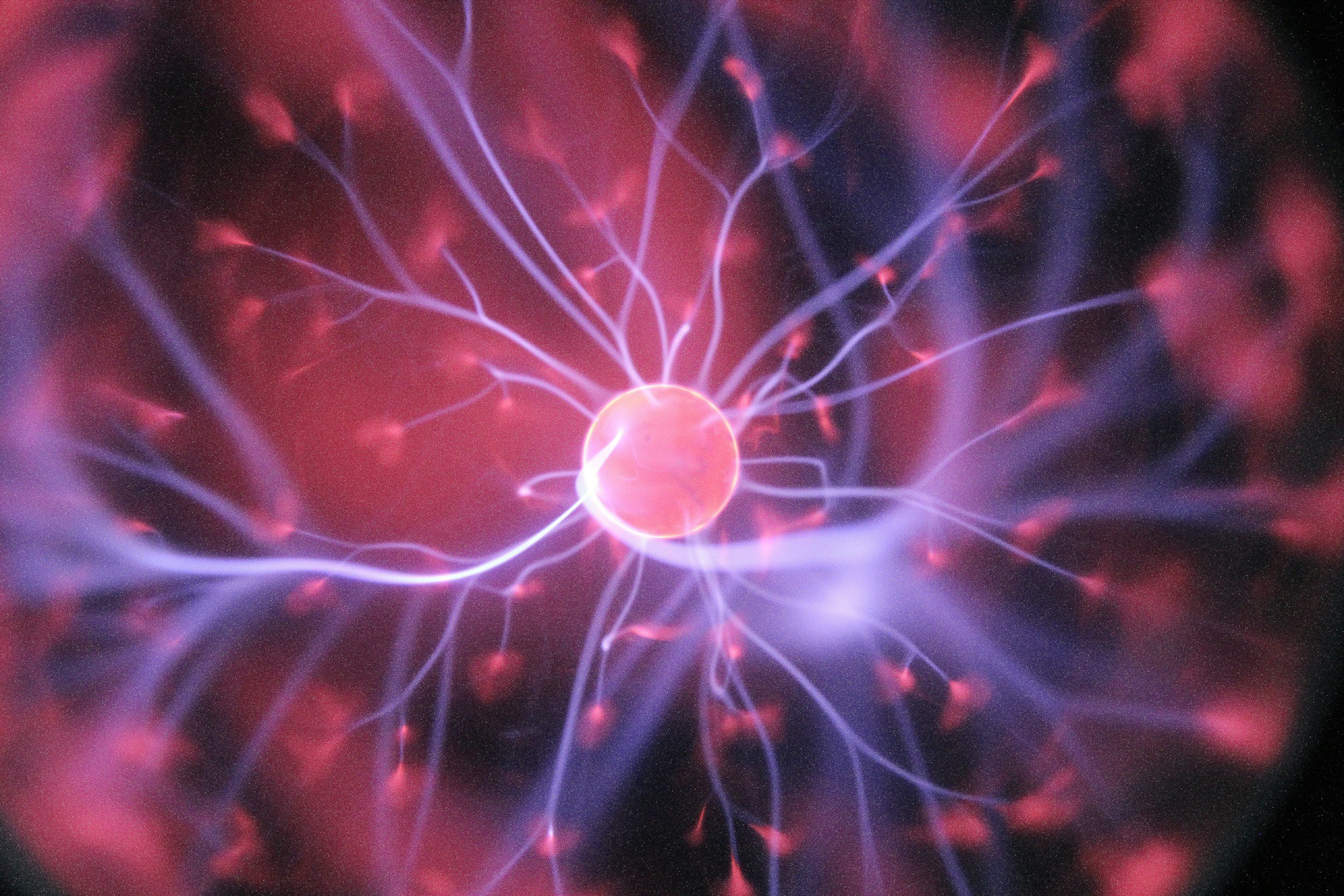
The DMN performs important functions.
When we're anxious, our internal thinking can become repetitive and dominated by worry.
Hypnotic states may alter how some of these networks interact, potentially contributing to the experience of becoming deeply absorbed and less caught up in ordinary self-directed thinking.
We'll explore the Default Mode Network in much more detail in a future article.
Hypnosis Doesn't Turn Off Your Critical Thinking
One of the most persistent myths about hypnosis is that you lose control.
You absolutely don’t.
You don't suddenly become incapable of making decisions or knowing what you're doing.
Your therapist cannot make you do something that fundamentally goes against your values simply because you're in trance.
Instead, hypnosis involves a different relationship with attention and suggestion.
This is one reason why the experience can feel quite different from ordinary conversation.
Rather than consciously analysing every word, you may become more receptive to imagining different possibilities and practising new responses.
Why Relaxation Matters
Anxiety and chronic stress can leave the nervous system in a state of heightened alertness.

You may notice:
racing thoughts
muscle tension
shallow breathing
irritability
difficulty concentrating
poor sleep
feeling constantly "on edge".
Deep relaxation can provide a valuable contrast to this state.
When the body begins to settle, the mind often becomes easier to work with.
This is one reason relaxation is an important part of many hypnotherapy sessions.
It isn't simply about making you feel nice and relaxed for an hour.
It's about helping you experience what a calmer state feels like.
Hypnotherapy and Neuroplasticity
Here's where the story becomes particularly interesting.
Your brain isn't fixed.
It continually changes in response to experience, learning and repetition. This ability is known as neuroplasticity.
Every time you repeatedly practise a particular way of thinking or responding, you are reinforcing a pattern.
That doesn't mean one hypnotherapy session physically rewires your brain overnight.
Change is usually more gradual than that.
But repeated experiences of relaxation, focused attention and healthier patterns of thinking can contribute to learning and behavioural change.
This is one reason the work doesn't stop when the hypnotherapy session ends.
The aim is to help you take those new patterns into everyday life.
Why Imagining Something Can Be So Powerful
The brain doesn't only learn from things that are physically happening in front of you.
It can also respond to imagined experiences.
Think about the last time you vividly imagined something embarrassing. You may have noticed your body reacting even though the event wasn't happening in that moment.
Or imagine biting into a lemon.
You may notice your mouth reacting simply because your brain has generated a vivid representation of the experience.
Hypnotherapy can make use of this capacity for imagination and mental rehearsal.
Instead of repeatedly rehearsing everything that could go wrong, you can begin rehearsing how you would like to respond.
Calmly.
Confidently.
With greater perspective.
From Problem-Focused Thinking to Solution-Focused Thinking
This is an important distinction in Solution Focused Hypnotherapy.
When you're anxious, your brain naturally wants to ask:
"What's wrong?"
Solution focused work encourages a different question:
"What would I like instead?"
That subtle change can redirect attention.
Instead of endlessly analysing the problem, you begin identifying the changes you want to see.

Perhaps you want to:
feel calmer in social situations
stop overthinking
sleep more easily
feel confident at work
respond differently to stressful situations
stop expecting the worst.
The brain now has something constructive to work towards.
Is Hypnosis the Same as Being Asleep?
No.
Although hypnosis can feel deeply relaxing, hypnosis and sleep are different states.
During hypnosis, you can remain aware of your surroundings and communicate with your therapist.
Some people feel relaxed and heavy. Others feel alert but deeply focused.
There isn't one particular sensation that means you've been "properly hypnotised".
The experience can vary considerably from person to person.
Can Hypnotherapy Help With Anxiety?
For some people, yes.
Hypnotherapy for anxiety may help by combining education about the brain, relaxation, focused attention, mental rehearsal and strategies designed to support healthier patterns of thinking.
It can be particularly useful when anxiety has become a learned pattern that continues even when there is no immediate danger.
However, hypnotherapy isn't a magic switch.
The brain doesn't change simply because someone has entered hypnosis.
Progress comes from the combination of understanding, practice and repeated experiences of responding differently.
Your Brain Is More Adaptable Than You Think
Perhaps the most encouraging thing about understanding hypnosis is realising that your brain isn't your enemy.
If you've been anxious for a long time, your brain may simply have become very practised at worrying.
The same brain that learned those patterns is capable of learning new ones.
Hypnosis provides a way of working with the brain's natural ability to focus, imagine, learn and adapt.
And that is very different from trying to force your thoughts to stop.
Instead of fighting your brain, you're learning how to work with it.
Book your free initial consultation and find out if hypnotherapy is right for you.
FAQ’s
-
Hypnosis (also known as trance) is associated with changes in brain activity and connectivity involving networks related to attention, self-awareness and information processing. It is a state of focused attention rather than unconsciousness.
-
Hypnosis itself shouldn't be thought of as an instant "rewiring" process. However, hypnosis can be used alongside repeated learning, mental rehearsal and behavioural change, all of which engage the brain's capacity for neuroplasticity.
-
Hypnotherapy may help some people manage anxiety by encouraging relaxation, shifting attention away from threat-focused thinking and rehearsing calmer responses.
-
No. Hypnosis is not a state in which another person takes control of your mind. You remain aware and retain the ability to respond and make decisions.
-
Solution Focused Hypnotherapy combines elements of solution-focused therapy with hypnotic techniques. It focuses on helping clients understand how the brain responds to stress while developing more helpful patterns of thinking and behaviour.
-
A 2019 meta-analysis of 17 trials found that hypnosis was associated with significantly greater reductions in anxiety than control conditions, with larger effects when hypnosis was combined with other psychological interventions