
Why Does a Panic Attack Cause So Many Physical Symptoms?
A racing heart. Tight chest. Shaking hands. Dizziness. Nausea. Tummy ache. Shortness of breath.
When a panic attack happens, it can feel as though your entire body has suddenly gone into chaos.
And that's often what makes panic attacks so frightening.
You may (or may not) put two and two together that this is due to anxiety. But the physical symptoms can feel so intense that you start wondering whether something is seriously wrong with you.
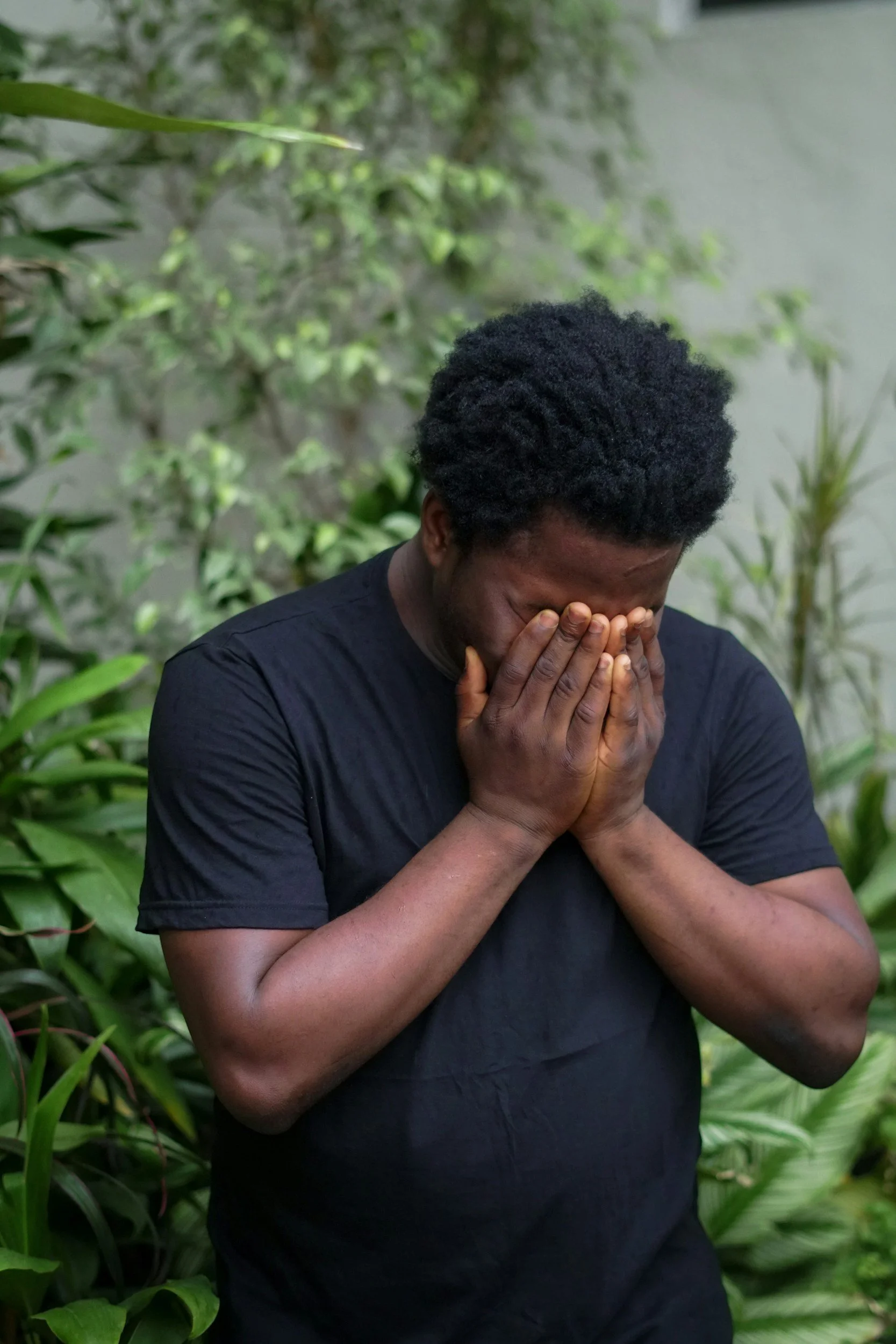
So why does a panic attack cause so many physical symptoms?
The short answer is that a panic attack is a powerful activation of your body's threat response.
Your brain detects danger.
Whether that danger is real, imagined or simply misunderstood…. and your body reacts quickly to prepare you to deal with it.
The result can be a whole range of very real physical sensations.
What actually happens during a panic attack?
Your body has an incredibly sophisticated built-in alarm system.
When your brain perceives a threat, your nervous system can rapidly shift into a state of high alert. Stress hormones such as adrenaline and cortisol are released, and your body starts preparing to respond.
This is useful if you need to react quickly to genuine danger.
But during a panic attack, that alarm response can happen when there isn't an immediate physical threat.
Suddenly, your heart is beating faster.
Your breathing changes.
Your muscles tense.
You become intensely aware of what's happening inside your body.
And because all of this can happen very quickly, it can feel overwhelming.
The NHS lists a range of physical symptoms associated with panic attacks, including:
a racing heartbeat
feeling faint or dizzy
sweating
nausea
chest pain
shortness of breath
trembling
hot flushes
chills
numbness and pins and needles.
You may have one or more of these symptoms all at the same time which can be terryifying.
Why does your heart race during a panic attack?
One of the most noticeable symptoms is often a pounding or racing heart.
Your heart is part of your body's emergency response system.
When your brain perceives danger, increasing your heart rate helps your body prepare for action.
The problem is that during a panic attack, there may be nowhere for all that energy to go.
So you might suddenly become very aware of your heartbeat.
And then another thought can appear:
"Why is my heart beating so fast?"
That thought can create even more fear.
Your brain interprets the sensation as further evidence that something is wrong, which can increase the stress response.
This is one reason panic attacks can become a frightening feedback loop.
Why do panic attacks cause shortness of breath?
Changes in breathing are another common physical symptom.
When you're frightened or highly anxious, your breathing can become faster. The NHS notes that panic attacks can involve shortness of breath or breathing very quickly.
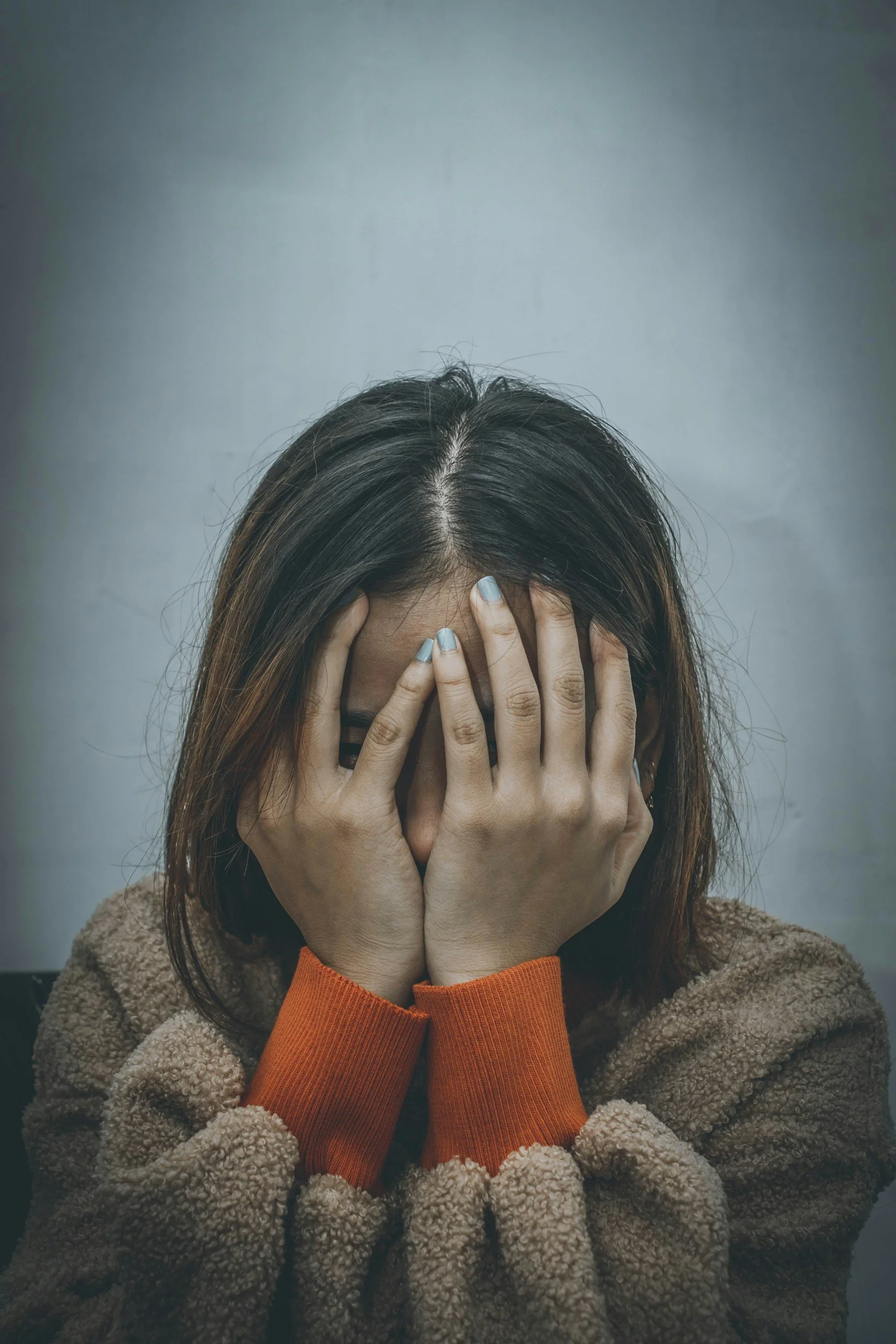
And if you suddenly notice your breathing has changed, it's understandable that your mind might interpret this as danger.
"I can't breathe properly."
"What's happening to me?"
"What if I pass out?"
These thoughts can increase fear, which can make you even more aware of your breathing. Especially if you are alone, or in a public place or using public transport.
It's easy to see how the cycle can escalate.
If you find yourself breathing very quickly during panic, deliberately slowing your breathing can help. NHS guidance recommends gentle, regular breathing rather than forcing deep breaths.
Why do you feel dizzy or lightheaded during a panic attack?
Dizziness and feeling faint are common symptoms of panic attacks.
And for many people, this is one of the most frightening sensations.
You might suddenly feel unsteady.
Your head may feel strange or light.
You might feel as though you're going to faint.
That can lead to another wave of fear:
"I'm going to pass out."
Again, the physical sensation is real. But the meaning your brain gives it can make it much more frightening. This is because in times of threat your mind cannot tell the difference between what is real and imagined so your nervous system responds accordingly.
This is particularly common when someone has become worried about their physical symptoms and starts monitoring their body closely.
Why do panic attacks cause chest pain?
Chest pain or tightness can also occur during a panic attack.
Muscle tension, changes in breathing and the body's overall stress response can all contribute to uncomfortable sensations in the chest.
But this is one symptom where it's particularly important not to automatically assume it's anxiety.
Chest pain can have many different causes. If you're experiencing new, severe or unexplained chest pain, seek appropriate medical advice rather than trying to diagnose the cause yourself. The NHS specifically advises against self-diagnosing chest pain.
Once a medical cause has been ruled out, understanding that anxiety can produce physical sensations can be incredibly reassuring.
Why do you feel sick during a panic attack?
Your digestive system can also be affected by the stress response.
When your brain thinks you need to deal with danger, digestion isn't the body's top priority.

This can lead to sensations such as:
nausea
a churning stomach
stomach discomfort
needing to use the toilet
Nausea and a churning stomach are recognised symptoms of panic attacks.
And once again, noticing something unusual in your body can create another layer of worry.
"Why do I feel sick?"
"Am I going to be ill?"
The more frightened you become, the more intensely you may notice the sensation.
Why do you shake, sweat or get pins and needles?
A panic attack can affect your whole body, which is why the symptoms can seem so varied.
You might suddenly feel:
shaky
sweaty
hot or cold
tingly
numb
weak or unsteady
The NHS includes trembling, sweating, hot flushes, chills and pins and needles among the possible symptoms of panic attacks.
It can feel as though your body is doing things you have absolutely no control over.
But these sensations are part of the body's powerful response to perceived danger.
Why does a panic attack feel so dangerous?
This is perhaps the most important part to understand.
A panic attack doesn't just produce physical sensations.
It also produces frightening thoughts about those sensations.
You feel your heart racing and think:
"Something is wrong with my heart."
You feel dizzy and think:
"I'm going to faint."
You struggle to catch your breath and think:
"I'm not going to be able to breathe."
You feel detached from your surroundings and think:
"I'm losing control."
The NHS describes panic as involving intense physical symptoms alongside feelings such as fear of losing control or fear of dying.
So the physical symptom itself may be only part of the problem.
It's what your brain thinks the symptom means that can make the experience even more frightening.
The panic attack cycle
This is why panic attacks can sometimes become a self-reinforcing cycle.
It might look something like this:
Physical sensation → frightening thought → increased fear → stronger physical response → more frightening thoughts
For example:
Heart races → "Something is wrong" → fear increases → heart races more → "This is getting worse" → panic intensifies
The body isn't deliberately trying to frighten you.
It's trying to protect you.
The difficulty is that the alarm system has become activated when you don't actually need to escape from immediate physical danger.
What happens after a panic attack?
Once the intensity starts to reduce, your body gradually begins to settle.
But you may still feel exhausted, shaky or emotionally drained.
And there can be another problem.
You might start worrying about the next attack.
"What if it happens again?"
"What if I'm out when it happens?"
"What if I can't escape?"
This fear of another panic attack can lead people to start avoiding certain places or situations.
Perhaps you stop going to crowded shops.
You avoid public transport.
You don't like travelling alone.
You always make sure someone is nearby.
Over time, your world can gradually become smaller because you're trying to prevent another frightening experience.
The NHS notes that people with panic disorder can become caught in a cycle of being afraid of having another attack and may begin avoiding situations they fear could trigger one.
Can hypnotherapy help with panic attacks?
This is where hypnotherapy for panic attacks and anxiety can be helpful for some people.
The aim isn't simply to tell yourself:
"Don't panic."
If only it were that easy!
Instead, Solution-Focused Hypnotherapy can focus on the patterns behind the anxiety, including how you respond to physical sensations, what you imagine might happen and the behaviours that have developed around your fear.
For example, you may have started constantly checking your heartbeat.
You may avoid certain situations.
You may always sit near an exit.
You may carry water or medication "just in case".
You may repeatedly reassure yourself that you're okay.
These behaviours can feel reassuring in the moment, but they can also keep your attention focused on the possibility of something going wrong.
Hypnotherapy can help you develop a calmer response to anxious thoughts and sensations, while building confidence in your ability to cope.
The goal isn't to make sure you never experience a physical sensation again.
It's to change your relationship with those sensations.
Instead of:
"My heart is racing — something terrible is happening."
you can begin moving towards:
"My body is experiencing a stress response. I know what this is, and I can allow it to pass."
That change in interpretation can be incredibly powerful.
What can you do during a panic attack?
If you recognise that you're experiencing a panic attack, the NHS recommends staying where you are if possible, breathing slowly and deeply, reminding yourself that the attack will pass and focusing on something peaceful or relaxing.
You could also try:
Notice rather than fight.
Trying desperately to make every symptom disappear can increase your focus on them. Instead, notice what's happening and remind yourself that your body is responding to a perceived threat.
Slow your breathing.
Allow your breathing to become gentle and regular rather than forcing large breaths.
Remind yourself that sensations are not necessarily danger.
A racing heart feels frightening, but a sensation and the meaning you attach to that sensation aren't necessarily the same thing.
Give your attention somewhere else.
Focus on what's around you rather than repeatedly checking your body.
And remember: if you're unsure whether your symptoms are anxiety, don't assume. Physical symptoms can have other causes, and it's important to seek medical advice when appropriate.
Understanding your body's alarm system can change everything
Panic attacks can feel incredibly frightening because they involve much more than anxious thoughts.
They can affect your heart, breathing, stomach, muscles, senses and your perception of what's happening around you.
But understanding why these physical symptoms happen can take away some of the mystery and concern.
Your body isn't suddenly breaking down.
It's responding to what your brain believes is a threat.
And if you've become stuck in a cycle of panic, fear and avoidance, you don't have to simply put up with it.
With the right support, it's possible to develop a different relationship with anxiety and gradually rebuild your confidence in your ability to cope.
FAQ’s
-
Common physical symptoms include a racing heartbeat, dizziness, feeling faint, sweating, trembling, nausea, chest pain, shortness of breath, hot flushes, chills and pins and needles.
-
A panic attack activates the body's threat response.
An increased heart rate is part of the body's preparation to respond to perceived danger.
-
Yes. Feeling faint, dizzy or lightheaded is a common symptom of panic attacks.
-
Yes, chest pain can occur during a panic attack. However, chest pain has many possible causes, so new or unexplained chest pain should not automatically be assumed to be anxiety.
Go to A&E or seek immediate medical help if you are concerned.
-
The NHS says a panic attack usually lasts around 5 to 20 minutes, although experiences vary.
-
Hypnotherapy may help some people address the anxiety, thought patterns and behaviours surrounding panic attacks. It should complement, rather than replace, appropriate medical assessment and evidence-based treatment where needed.
-
Your initial consultation is free.
If you decide to go ahead with sessions, I offer a package of 6 for £350 or 12 for £790. Pay-as-you-go (weekly) is £80.
Schedule your call via the booking link