
Hypnotherapy to Quit Snus: How It Works and What to Expect
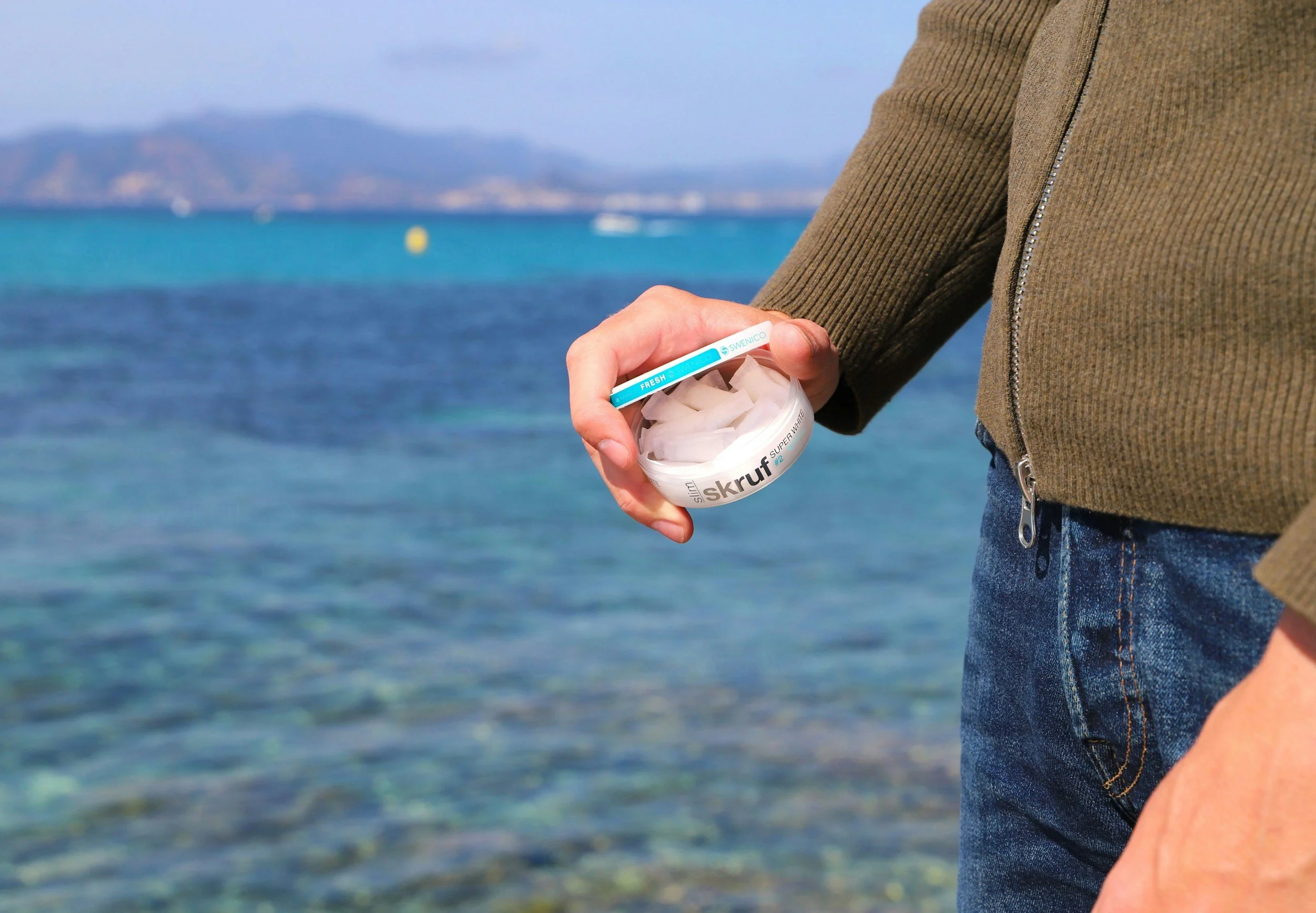
Many people don’t realise how dependent they’ve become on snus or nicotine pouches until they try to go without.
One in before the commute, another after lunch, one more at the pub. It feels like a small habit, until you notice you’re planning your day around it and feeling uneasy when you run out. If that sounds familiar, you’re not alone, and support is available.
Why is snus so hard to quit?
Snus and nicotine pouches deliver a steady dose of nicotine for as long as they’re in your mouth, so your body quickly adapts to having it. They’re also discreet, which means the habit weaves itself into your whole day: work breaks, driving, the gym, socialising, winding down in the evening.
Emotions play a part too. Many people reach for a pouch to manage anxiety, stress, boredom or nerves, or to feel more confident around others. Over time, the brain links those feelings with nicotine, so the urge can appear automatically. That’s why willpower alone often feels like such a struggle.
Snus, nicotine pouches and vaping: what’s the difference?
“Snus” is often used for both products, but they aren’t the same. Snus is a moist, smokeless tobacco product that originated in Sweden and is usually placed under the upper lip. Brands include General, Ettan and Skruf.
Nicotine pouches, such as Zyn, Velo and Nordic Spirit, contain no tobacco leaf, only nicotine, fillers and flavourings, which is why you’ll hear them called “white snus” or “tobacco-free snus”.

Vaping is different again, as it involves inhaling vapour.
Not inhaling smoke doesn’t make a product harmless. Nicotine is addictive however it’s taken, and either way the pattern is much the same: a regular hit of nicotine tied to routines and triggers. That’s the pattern hypnotherapy works with.
How can solution-focused hypnotherapy help you quit snus?
At Aspyre Hypnotherapy, my approach combines talking therapy, modern neuroscience and hypnosis. Rather than dwelling on the past, we focus on what you want to change and the steps that move you towards it.
For snus or nicotine pouches, we explore when you reach for them, what you want life to look like without them, and how to build more helpful responses to everyday triggers.
Hypnosis is a relaxed, focused state in which you stay aware and in control, and it can support that process. If stress or anxiety is a big trigger, you may also find the following pages helpful: Hypnotherapy for Anxiety and Hypnotherapy for Stress and you can read more in The Science Behind Hypnotherapy.
I can’t and won’t guarantee results. What I can do is my very best to support you to feel more in control of your choices. You also need to be 150% ready and willing to give up for good.
What can you expect from a session?
It starts with a free, no-obligation 45-minute consultation. We’ll talk through your current use, your triggers and what you’d like to achieve, and whether solution-focused hypnotherapy suits you.
If we work together, sessions are tailored to you. Many clients need 2 sessions, though it varies dependant on your own circumstances. I see clients in person in Chigwell and Bishop’s Stortford, and online.
Practical steps to take alongside hypnotherapy
Notice your triggers. Is it stress, anxiety, boredom, concentration, socialising or routine?
Write down your reasons for stopping, such as more control, fewer cravings or saving money.
Plan for cravings. A short walk, a glass of water or a breathing exercise can help an urge pass.
Get extra support. A GP or pharmacist can advise on nicotine dependence and withdrawal. Ask whether your local NHS stop smoking service can support you too.
Ready to feel more in control?
If snus, nicotine pouches or addiction to a substance are controlling your choices, you don’t have to work out your next steps alone. Book your free initial consultation to talk it through.
FAQ’s
-
Yes, it can support you to work on the habits, triggers and thought patterns behind snus use. Results vary and can’t be guaranteed.
-
Yes. The habit and triggers are similar, so I use the same approach, tailored to you.
-
Typically only 2 sessions are required. However, it depends on your current stress or anxiety, level of use, your triggers and your goals, so we’ll agree a realistic plan together.
The best way to determine how many sessions you will need is by booking your free initial consultation.
-
No. Selling snus and smokeless tobacco products has been banned in the UK since 1992, and the ban has been carried forward in the Tobacco and Vapes Act 2026. See GOV.UK for the latest.
-
They can currently be sold, but the rules are tightening, including an 18+ age restriction and advertising limits. Check GOV.UK for what applies now.
-
We address the habit at its root and focus on the neuroscience of dopamine. Hypnosis is a state of focused attention, and allows your subconscious mind to break automatic patterns, reduce cravings, and boost your confidence in staying nicotine-free.