
Hemophobia (Fear of Blood): Why It Happens and How to Overcome It

For some people, the sight of blood causes brief discomfort. For others, it can trigger dizziness, panic, nausea, or even fainting.
If you experience intense fear around blood tests, injuries, medical procedures, or even scenes on television, you may be experiencing hemophobia or the fear of blood.
The good news? Hemophobia is highly treatable. With the right therapeutic support, the fear response can be reduced, and confidence rebuilt safely and gradually.
What Is Hemophobia?
Hemophobia is a specific phobia characterised by an intense fear of blood. It may be triggered by:
Seeing blood (in person or on screen)
Medical procedures or blood tests
Injuries (even minor cuts)
Anticipating injections or surgery
It often overlaps with:
Medical or dental anxiety
Health anxiety (sometimes called illness anxiety)
Why Does the Fear of Blood Cause Fainting?
Hemophobia is part of what psychologists call the blood-injection-injury response.
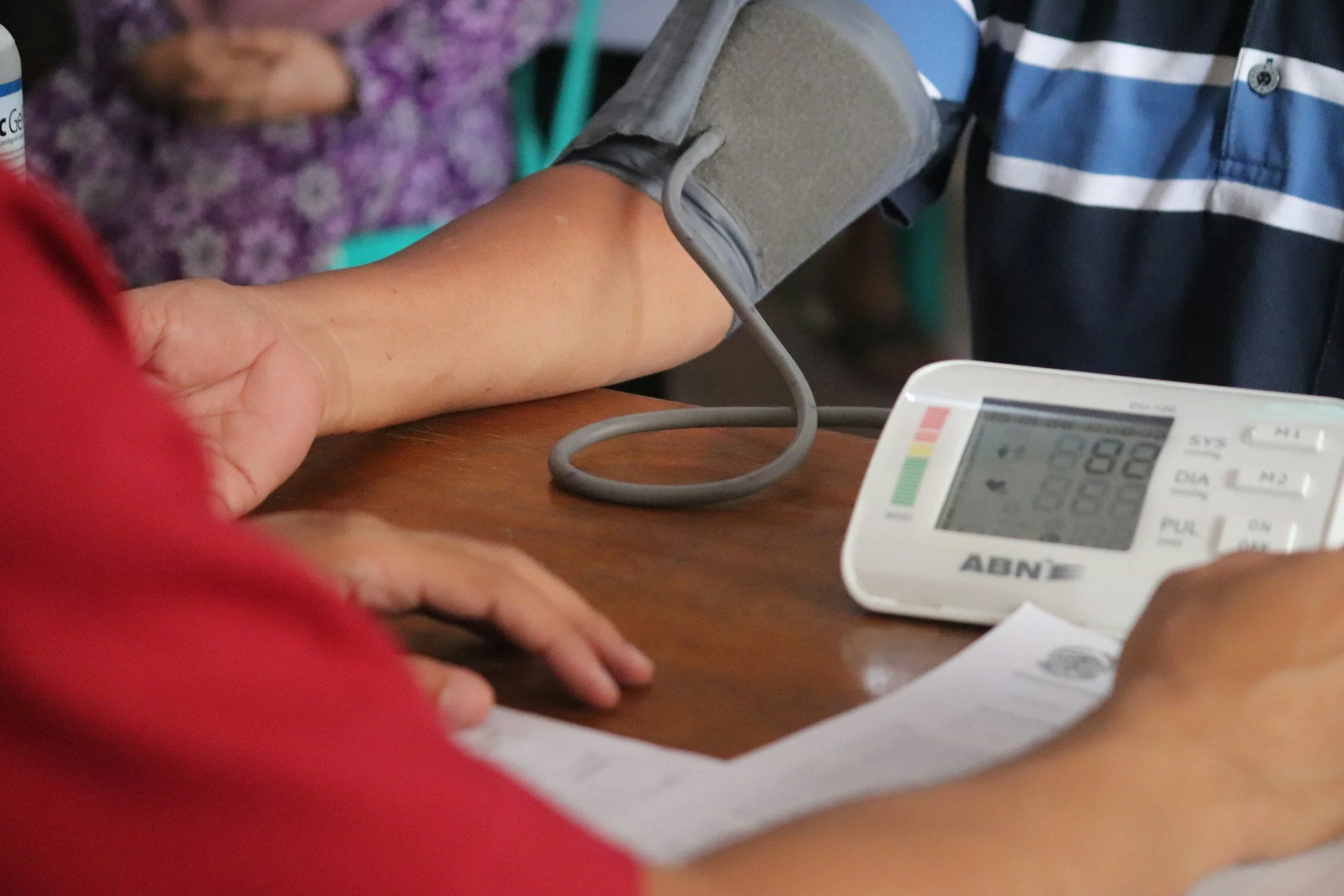
Most anxiety increases heart rate and blood pressure.
However, in hemophobia, the body may initially spike in stress and then suddenly drop blood pressure, leading to:
Dizziness
Nausea
Sweating
Blurred vision
Fainting
This physical response can make the phobia feel frightening and unpredictable, reinforcing avoidance behaviours.
How Hemophobia Links to Needle Phobia and Health Anxiety
Hemophobia rarely exists in isolation.
Many people who fear blood also fear injections, vaccinations, or medical procedures. The anticipation of seeing blood can intensify anxiety around needles.
For some individuals, blood triggers catastrophic thoughts around their health such as:
“What if something is seriously wrong?”
“What if I faint and lose control?”
“What if this means I’m ill?”
In these cases, hemophobia may interact with broader health-related anxiety patterns.
Common Symptoms of Hemophobia
Symptoms may include:
Rapid onset panic when seeing blood
Dizziness or fainting
Avoidance of medical appointments
Avoidance of certain TV shows or images
Anxiety before blood tests or procedures
Feeling embarrassed about the reaction
For professionals and students, this can become particularly distressing if medical procedures are required for work or training.
How Is Hemophobia Treated with Hypnotherapy?
Hemophobia responds well to gentle, structured, supportive therapy, like Solution Focused Hypnotherapy.

Treatment includes:
Education and neuroscience based information
Nervous system regulation techniques
Cognitive restructuring of catastrophic thoughts
Rewiring of the unhelpful thought patterns
Calming the subconscious fear response
When the brain learns that the situation is not dangerous, the physical reaction gradually reduces.
Importantly, treatment does not involve forcing exposure before you feel ready. Progress is paced, safe, and collaborative,
If you are ready to begin your journey to a calm and relaxed future with the fear of blood dominating your thoughts, you can book a free initial consultation. We can have a chat and find out if solution focused hypnotherapy is right for you.
FAQ’s
-
Hemophobia is an intense fear of blood that can trigger anxiety, dizziness, or fainting. It is classified as a specific phobia and often forms part of the blood-injection-injury type of anxiety response.
Unlike general anxiety, hemophobia may cause a sudden drop in blood pressure, leading to lightheadedness or fainting.
-
No, but they are closely related. Hemophobia is the fear of blood, while needle phobia (trypanophobia) is the fear of injections or medical needles.
Many people experience both because medical procedures may involve blood. However, someone can fear needles without fearing blood, and vice versa.
-
Hemophobia can sometimes overlap with health anxiety, particularly if the sight of blood triggers fears about illness or medical emergencies.
In these cases, the anxiety may be less about blood itself and more about what it represents, such as loss of control or fear of serious illness.
-
Yes. Hemophobia responds well to therapeutic approaches. With structured support, the fear response can reduce significantly, allowing individuals to attend medical appointments and manage blood-related situations with greater confidence.
-
Fainting when exposed to blood is usually caused by a vasovagal response. The body briefly increases stress levels and then rapidly lowers blood pressure, reducing blood flow to the brain and leading to dizziness or fainting.
This reaction is relatively common in people with hemophobia and is a physiological response, not a sign of weakness or inability to cope.
Some people may be more prone to vasovagal responses due to individual sensitivity, and there can sometimes be a family tendency toward fainting in response to blood, injections, or medical procedures.
If fainting happens frequently, feels unpredictable, or causes concern, it can be helpful to speak with your GP to rule out any underlying medical factors and to receive appropriate guidance.
With the right support, including understanding the response and learning simple techniques, many people are able to manage and significantly reduce these reactions.
-
To reduce the risk of fainting during blood tests, techniques such as applied tension can help. This involves gently tensing the muscles in your arms, legs, and core to increase blood pressure and maintain blood flow to the brain.
Other helpful strategies include:
Letting the healthcare professional know you are prone to fainting
Lying down during the procedure rather than sitting
Staying well hydrated before your appointment
Practising slow, steady breathing to regulate anxiety
If fainting is frequent or severe, it’s advisable to speak with your GP for personalised guidance.
With the right techniques and support, many people are able to manage blood tests more comfortably and confidently.