
Fear of Driving and Motorway Phobia: Why It Happens and How Hypnotherapy Can Help
Do you plan your journeys around avoiding the motorway? Perhaps you've turned down invitations because getting there meant driving, or you grip the steering wheel so tightly your hands ache. If so, you're far from alone. A fear of driving is one of the most common anxieties I see, and it can quietly shrink your world, affecting your work, your family life and your independence.
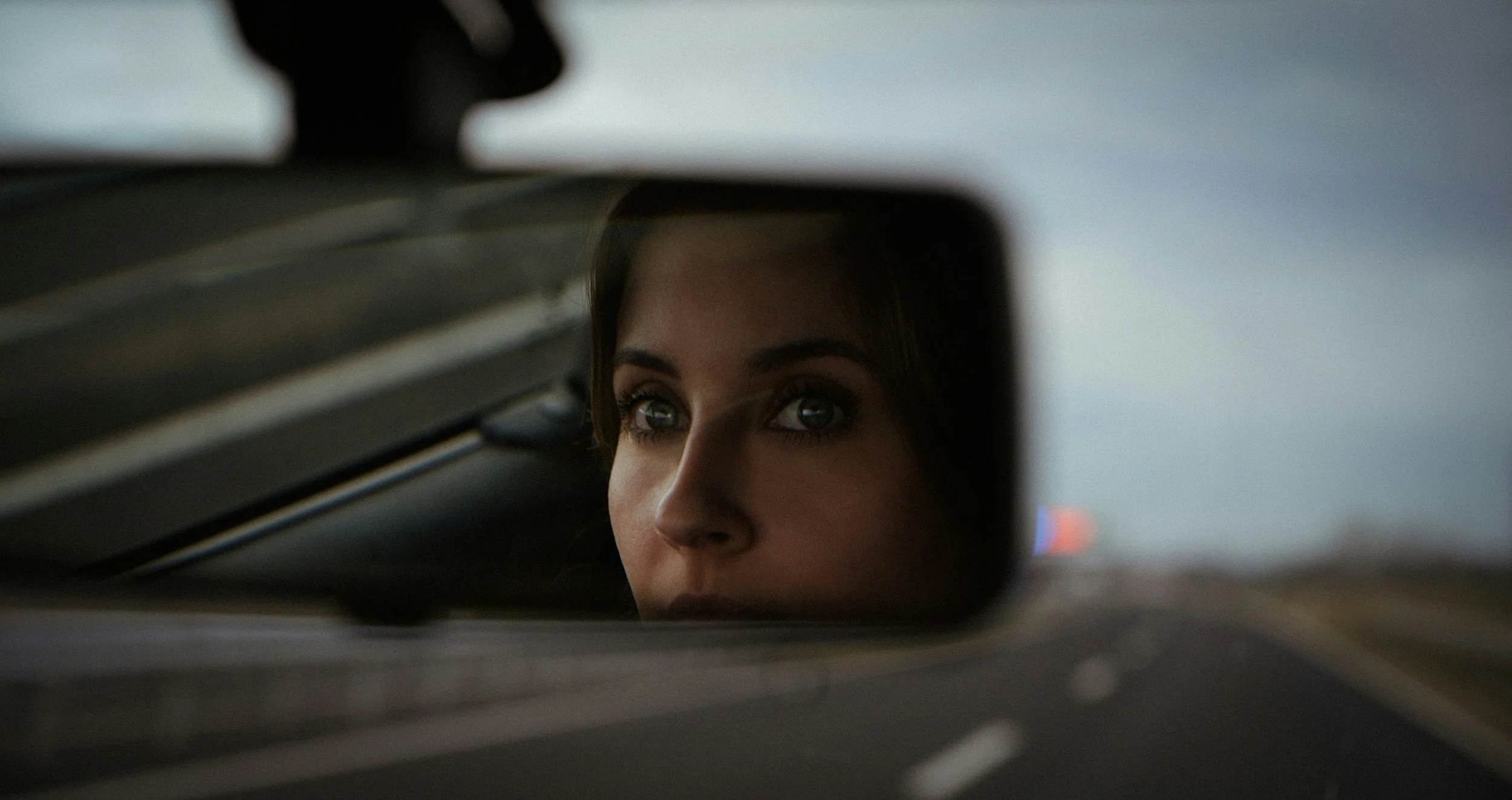
The good news is that it doesn't have to stay that way.
Read on to discover how having confidence as a driver or as a passenger is possible for you.
What is driving phobia?
Driving anxiety sits on a spectrum. For some people it's a general nervousness behind the wheel. For others it's a very specific fear of motorways, with the speed, the lane changes and the lack of an easy way out. A motorway phobia can also show up as a fear of bridges, tunnels, dual carriageways or driving at night.
When the fear becomes intense and you start organising your life around avoiding it, it may be a phobia. Phobias aren't a sign of weakness. They're the brain's alarm system working overtime.
Common signs and triggers
Driving anxiety often looks like this:
Physical symptoms: a racing heart, sweating, shaky hands, tight chest, dizziness or feeling suddenly very hot
Anxious thoughts: "What if I panic?", "What if I can't get off?", "What if I cause an accident?"
Avoidance: only travelling as a passenger, refusing motorways, or planning routes around the roads you feel safest on
Some people experience panic attacks while driving, which can feel terrifying and makes the fear of getting back behind the wheel even stronger.
For some people their anxiety is only limited to being a passenger in a car.
Why does it develop?
There's rarely just one cause. Common reasons include:
A frightening experience. Many people become scared to drive after an accident or near-miss, even a minor one. Your brain links driving with danger and tries to protect you by sounding the alarm every time.
Fear of losing control. On a motorway you can't simply stop, and for some people that sense of being trapped is the heart of the fear.
Time away from driving. A long break, such as after having children, an illness or a stressful period, can erode confidence.
Pressure to perform. For some, a fear of driving tests or of being judged by other drivers becomes the root of the problem.

Whatever the origin, avoidance is what keeps the fear alive.
Each time you avoid the motorway you feel instant relief, which teaches your brain that avoiding was the right call. Over time the anxiety grows.
How hypnotherapy can help
Hypnotherapy for driving anxiety works with the part of the mind that drives automatic reactions. Using a solution-focused approach, we don't dwell on the past. We focus on how you want your driving life to look.
In a calm, deeply relaxed state, we can:
Help your mind and body respond to driving with greater calm
Mentally rehearse driving situations, including the motorway, in a safe, controlled way
Loosen the link between driving and danger
Build your driving confidence step by step
Many clients find they feel more relaxed and in control on the road. Results vary from person to person, and hypnotherapy works best alongside your own motivation to move forward.
Practical tips to try now
Take small steps. Start with quiet roads, then build up gradually. A calm, supportive passenger can help.
Plan ahead. Choose a quiet time of day and a familiar route, and allow plenty of time so you're not rushed.
Be kind to yourself. Progress rarely follows a straight line.
Slow your breathing. Breathe in for four counts and out for six, which helps calm your body's alarm response.
Above all, if your anxiety ever feels unsafe, don't drive. Pull over when it's safe to do so, and seek support before getting back behind the wheel.
When to seek support
If fear of driving is limiting your work, your family life or your independence, support can make a real difference. If you experience frequent panic attacks, it's also worth speaking to your GP.
I work with clients at two locations: in Chigwell, Essex, in Bishops Stortford, Hertfordshire and online, so support is available wherever you're based.
If you'd like to explore how hypnotherapy could help you feel calmer on the road…
It's a relaxed, no-pressure chance to talk through what you're experiencing and see whether working together feels right.
FAQ’s
-
A sudden fear of driving often follows a frightening event, such as an accident or near-miss, or a period of high stress or time away from driving. The brain learns to link driving with danger. This is a common, understandable response and can be changed with the right support.
-
It can be. If your fear of motorways is intense, persistent and leads you to avoid them or reorganise your life around avoiding them, it may be a specific phobia. Milder nervousness is very common and usually eases with practice, but severe fear often benefits from professional support.
-
Yes, many people find hypnotherapy helpful for driving anxiety. It uses deep relaxation and guided imagery to help the mind and body respond more calmly to driving situations. Results vary from person to person, and it works best as part of a motivated, step-by-step approach.
-
Start with calming techniques such as slow breathing, then build up gradually, perhaps beginning with quiet roads or a supportive passenger. Avoiding the motorway keeps the fear going, so small, manageable steps matter. If your anxiety feels unsafe, stop driving and seek professional support.