
Claustrophobia: Understanding the Fear of Confined Spaces
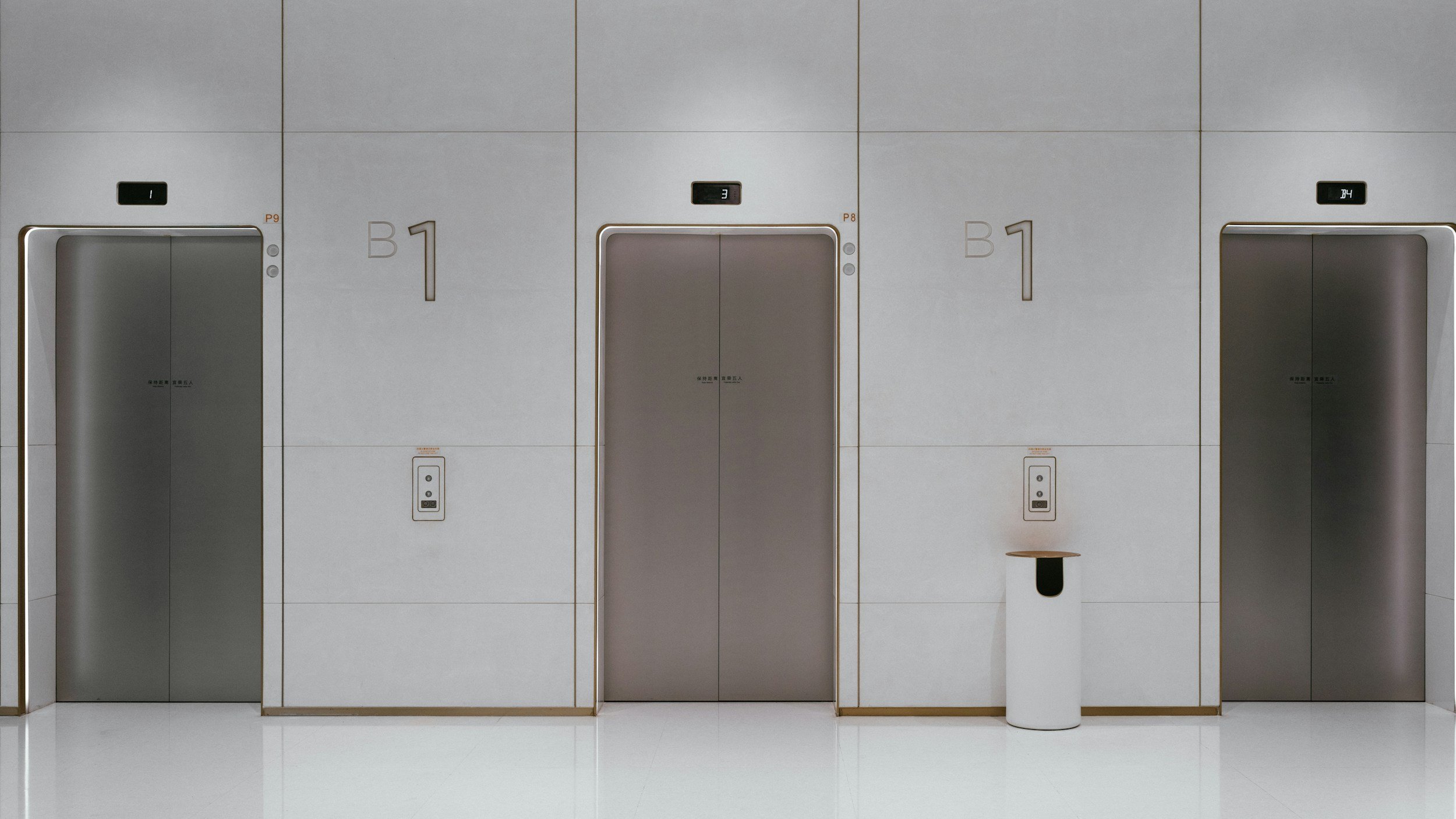
For those experiencing claustrophobia, the fear is rarely about the space itself. Instead, it is often linked to the feeling of being trapped, unable to escape, or losing control.
Claustrophobia is not a sign of weakness or lack of resilience. It is an automatic protective response created by the subconscious mind and it can be gently and effectively resolved.
What Is Claustrophobia?
Claustrophobia is a specific phobia involving an intense fear of enclosed or crowded spaces. The reaction is usually immediate and physical, even when a person logically understands that they are safe.
This fear can affect people in different ways. Some may avoid lifts, public transport, or busy environments, while others feel anxious simply anticipating being in these situations.
Over time, avoidance can impact work, travel, social plans, and overall confidence.
Common Symptoms of Claustrophobia

People with claustrophobia may experience:
Panic or intense anxiety in enclosed spaces.
A racing heart, sweating, or shaking
Shortness of breath or a feeling of suffocation
Dizziness or nausea
Fear of being trapped or unable to escape
Avoidance of lifts, trains, tunnels, crowded rooms, or the Underground
Anxiety when imagining or anticipating confined environments
These reactions are automatic and can feel overwhelming, even when the person knows the situation is safe.
Why Does Claustrophobia Develop?
Claustrophobia often develops as the mind’s way of trying to protect you. This may stem from:
A past experience of feeling trapped or overwhelmed
Anxiety or panic occurring in an enclosed space
Learning fear from others or environmental influences
A nervous system that has become highly sensitive to perceived threat
Once the subconscious associates confined spaces with danger, the body can react instantly, long before logical thinking has time to intervene.
Is Claustrophobia Normal?
Many people feel uncomfortable in very tight or crowded environments. However, when fear becomes intense, persistent, or begins to limit daily life, it may be claustrophobia rather than normal discomfort.
People often feel embarrassed or frustrated by their reaction, particularly if they are confident and capable in other areas of life. This self-criticism can increase stress and reinforce the fear cycle.
How Solution-Focused Hypnotherapy Can Help
Solution-focused hypnotherapy takes a gentle, forward-looking approach to overcoming claustrophobia.
Importantly, this work does not involve:
Talking in detail about distressing experiences
Analysing the fear or searching for problems
Exposure therapy or being placed in confined spaces
Being pushed beyond your comfort level

Instead, sessions focus on helping the nervous system settle and restoring feelings of calm, safety, and control. By working with the subconscious mind where phobias are stored, hypnotherapy helps reduce the automatic fear response linked to enclosed environments.
Many clients find it reassuring to learn that they do not need to relive the fear in order to overcome it.
You Don’t Need to Confront Confined Spaces to Overcome the Fear
A common concern is that therapy will involve facing lifts, trains, or enclosed spaces. With solution-focused hypnotherapy, this simply isn’t part of the process.
Change happens by strengthening emotional resilience and calming the nervous system. As confidence builds, the mind naturally begins to let go of the fear response.
Moving Forward With Confidence
Claustrophobia does not define you. It is a learned protective response and learned responses can be unlearned.
With the right support, it is possible to feel calmer, more in control, and able to move through situations that once felt overwhelming.
Ready to Take the First Step?
If claustrophobia is affecting your confidence, travel, or daily life, help is available.
At Aspyre Hypnotherapy, I support clients using solution-focused hypnotherapy to overcome phobias gently and effectively, without exposure therapy or revisiting distressing experiences.
Book your free initial consultation to explore how hypnotherapy could help you overcome your phobia gently and naturally.
-
Claustrophobia is a fear or phobia of confined or enclosed spaces that can trigger intense anxiety or panic. It often involves situations such as lifts, trains, tunnels, the Underground, flying or crowded environments.
-
Symptoms can include panic, breathlessness, a racing heart, sweating, dizziness, nausea, and a strong urge to escape. Some people also feel anxious when anticipating being in confined spaces.
-
Claustrophobia is usually a learned subconscious response. The brain may associate confined spaces with danger, triggering an automatic fear response even when the environment is safe.
-
Yes. Claustrophobia is one of the most common specific phobias and can affect people of all ages. It can range from mild discomfort to anxiety that interferes with travel, work, or social activities.
-
Yes, check out my reviews. I have helped people reclaim their confidence relating to confined spaces, with solution-focused hypnotherapy. I work with clients to calm the nervous system and reduce the subconscious fear response linked to small or enclosed spaces. This approach does not involve exposure therapy or revisiting distressing experiences.